


The World Health Organization has called for “immediate and concerted action” to protect children from contaminated medicines after a series of child deaths linked to cough syrups last year.
In 2022, more than 300 children, mainly under the age of 5, in The Gambia, Indonesia and Uzbekistan have died of acute kidney injury, deaths associated with contaminated medicines, the WHO said in a statement on Monday.
The medications, over-the-counter cough syrups, had high levels of diethylene glycol and ethylene glycol.
TEXAS DOCTOR WHO REPORTEDLY POISONED IV BAGS WITH HEART-STOPPING MEDICATION HELD WITHOUT BAIL
“These contaminants are toxic chemicals used as industrial solvents and antifreeze agents that can be fatal even in small amounts, and should never be found in medicines,” the WHO said.
In addition to the countries mentioned above, the WHO told Reuters on Monday that the Philippines, Timor Leste, Senegal and Cambodia could be affected because they may have the drugs on sale. It called for action in its 194 member states to prevent more deaths.
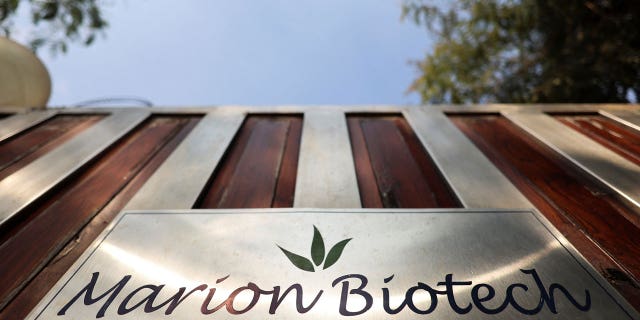
India’s Marion Biotech was one of several pharmaceutical companies distributing drugs linked to a recent global spike in child deaths.
(REUTERS/Anushree Fadnavis)
“As these are not isolated incidents, the WHO is calling on several key stakeholders involved in the medical supply chain to take immediate and coordinated action,” the WHO said.
The WHO already sent out specific product alerts in October and earlier this month, asking for the drugs to be pulled from shelves, for cough syrups made by India’s Maiden Pharmaceuticals and Marion Biotech, which are linked to deaths in The Gambia and Uzbekistan, respectively.
THE TYLENOL MURDERS: A LOOK BACK AT THE 1982 DRUG POISONING ERUPTION
It also issued a warning last year for cough syrups made by four Indonesian manufacturers, PT Yarindo Farmatama, PT Universal Pharmaceutical, PT Konimex and PT AFI Pharma, being sold in the country.
The companies involved have denied that their products have been contaminated or declined to comment while investigations are underway.
The WHO reiterated its call for the products noted above to be withdrawn from circulation and called more broadly on countries to ensure that any medicines are approved for sale by competent authorities. He also asked governments and regulators to allocate resources to inspect manufacturers, increase market surveillance and take action when necessary.
CLICK HERE TO GET THE FOX NEWS APP
He called on manufacturers to only buy raw ingredients from qualified suppliers, test their products more thoroughly and keep records of the process. Suppliers and distributors should check for signs of counterfeiting and only distribute or sell medicines authorized for use, the WHO added.


