



The hit TV show The Last of US follows a fictional fungus outbreak, but Imperial experts are among those battling very real fungal diseases.
This month, the long-awaited series The last of us It hit television screens, to high praise from critics and fans alike, earning a record-breaking audience score on Rotten Tomatoes.
At the heart of the show – and the original video game – is the outbreak of a terrifying fungal disease that turns its host into zombies, rapidly spreading across the globe and leading to a reboot of modern civilization.
In the real world, fungal pathogens are often overlooked, despite the fact that more than 200 million people live with serious, life-threatening fungal diseases and fungal pathogens kill more than 1 million people a year. Worldwide.
The World Health Organization recently published a guide highlighting 19 priority fungal pathogens, as a call to arms for policymakers and the global scientific community.
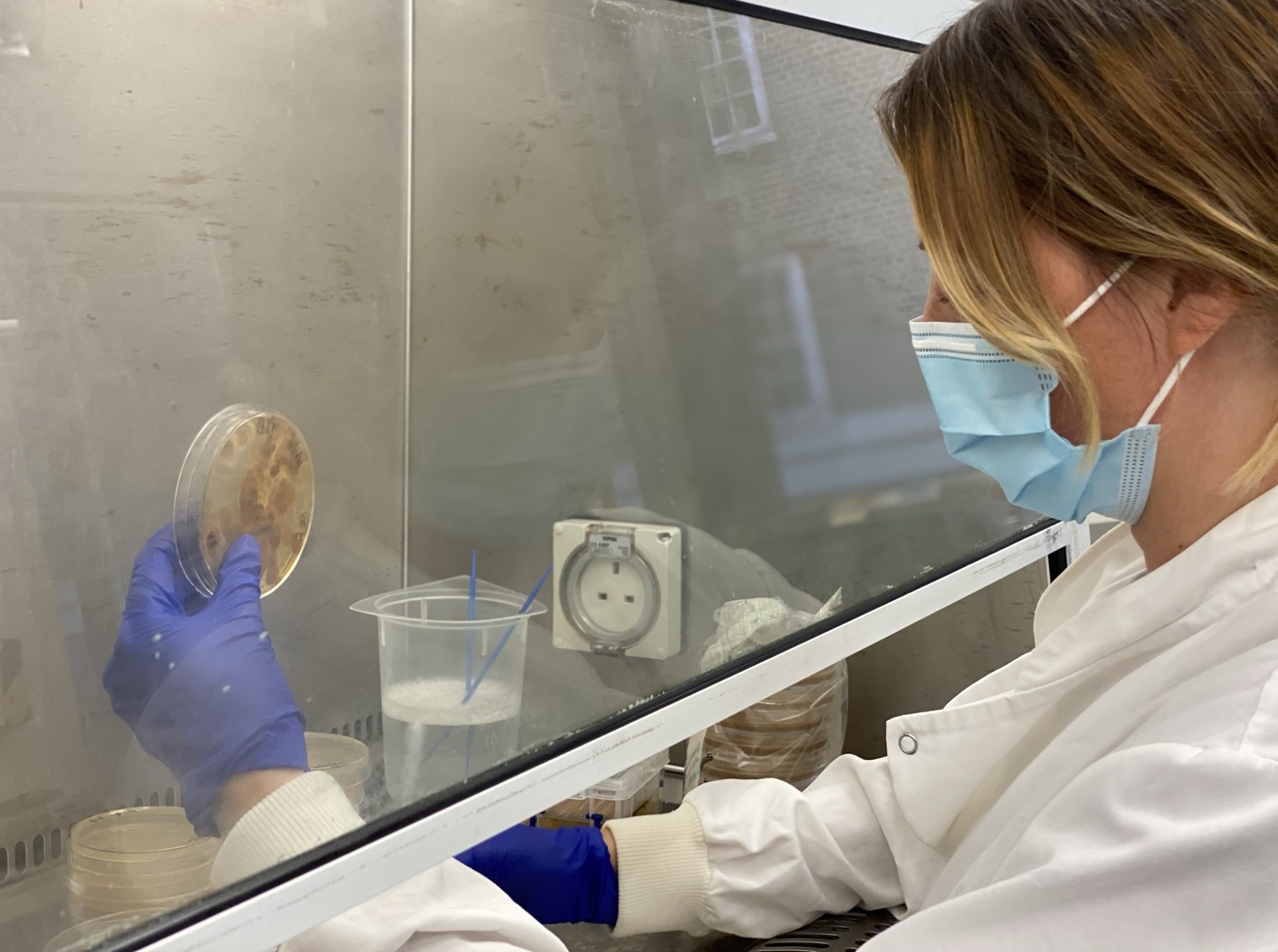
professor matthew fisherfrom the MRC Center for the Global Analysis of Infectious Diseases at Imperial College London, is part of the global scientific community working to find out more about these fungi.
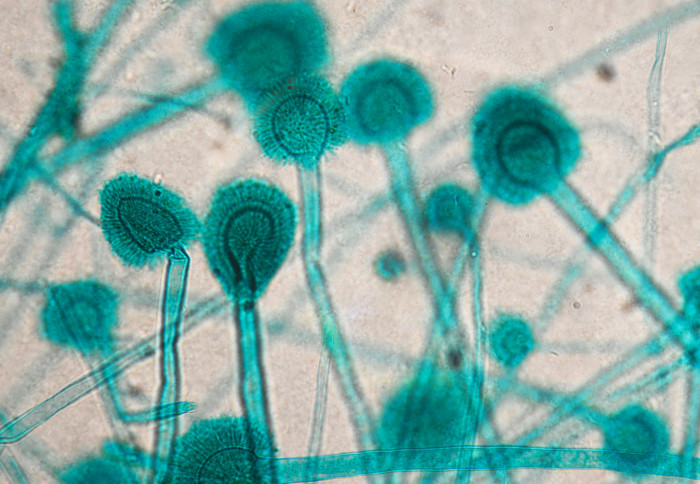
Based at Imperial’s White City campus, his team focuses on two high on the priority list: Aspergillus (commonly known as black mold) and cryptococcusa yeast, both of which can be devastating.
Fungal pathogens pose a huge threat that is often overlooked. We are all exposed to potentially lethal fungi every day. professor matthew fisher MRC Center for the Global Analysis of Infectious Diseases
Professor Fisher said: “The last of us is a fantastic exploration of the dystopian consequences caused by a fungus outbreak. While the scenario is unlikely, it is based on biology.
“There are hundreds of Cordyceps species that have evolved over the millennia in an impressive variety of pathogenic strategies, some quite frightening.
“For example, there are ‘zombie fungi’ that take control of ants, changing their host’s behavior before leaving their heads. There are even some parallels with other non-fungal parasites, such as toxoplasma gondiithat it can change the behavior of rodents, and some have even suggested humans.
“Like bacteria or viruses, fungi are ancient and ubiquitous. In fact, one of the largest organisms on Earth is thought to be a fungus, a sprawling network of mycorrhizae found in the United States Like bacteria and viruses, some fungi have the potential to cause us harm, and fungal pathogens pose a major and often overlooked threat We are all exposed to potentially deadly fungi every day.
“The COVID-19 pandemic has shown us how quickly pathogens can spread around the world. With climate change, we could see outbreaks of previously unknown fungal pathogens, or known pathogens expanding their range.
“Drug resistance is also a major concern in the treatment of fungal infections. We can see the impact when bacterial ‘superbugs’ become resistant to antibiotics, such as MRSA. This is increasingly the case with many fungal infections.
“The WHO list could be a game changer and we hope it wakes us up to the growing global threat from fungal pathogens. It is a call to arms to develop strategies to manage the pervasive risk they present.”


