


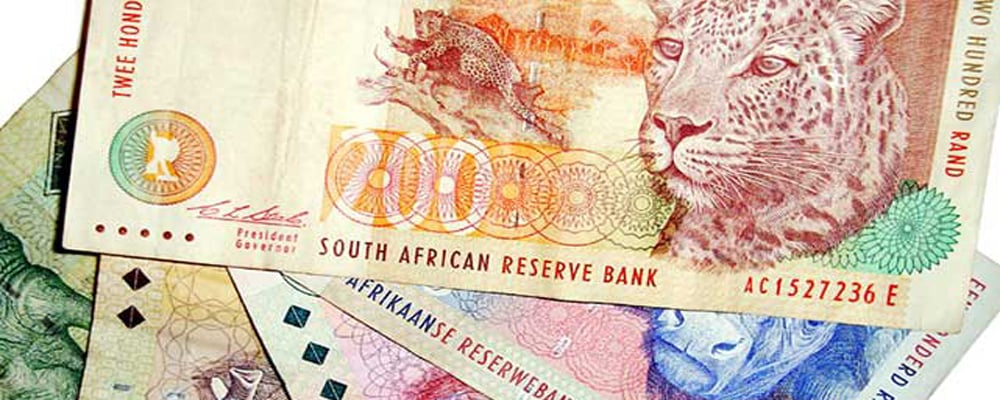
The South African pound (GBP/ZAR) exchange rate has weakened over the past week as tight liquidity led investors to focus on domestic headlines within the UK, while political stability made the Rand would get stronger again.
At the time of writing, GBP/ZAR was trading around ZAR20.6423, showing little deviation from Friday’s opening rates. However, over the course of the week, GBP/ZAR weakened around 4.2%.
South African rand (ZAR) exchange rates strengthen amid stabilizing political situation
The South African rand (ZAR) started the week with hope as political stability seemed to return to the country. The African National Congress (ANC) re-elected President Cyril Ramaphosa as its leader, ending a period of political uncertainty after Ramaphosa underwent impeachment.
Throughout the week, President Ramaphosa undertook a campaign to reshuffle his cabinet, with 5 of the 7 leading candidates serving as his supporters, leading him to increase his control over the South African government. As such, the markets reacted in kind by supporting a return to political stability by pushing for a strengthening Rand.
However, Eskom’s load shedding operations during the week may have limited further gains. Earlier in the week, stage 6 load shedding began across the country as South Africa’s energy crisis continues to deepen.
With this heavy impact on the South African economy, fears have grown about how the country will be able to handle the crisis without further damage and for how long the load reduction program will continue.
Through the end of the week, the South African rand was further boosted by strong risk appetite across markets. Since the Rand is very sensitive to market moods, the upbeat trade provided boon for the currency, ending the week on firm ground.
Pound (GBP) exchange rates plunge amid gloomy domestic and economic headlines
 Last week, the pound (GBP) started on an acceptable footing, as upbeat market mood lifted sterling by drawing support for the more risk-sensitive currency, leading to gains against safer options. However, industrial orders data from the Confederation of British Industry (CBI) remained in contractionary territory. Because of this, Sterling was unable to capitalize on the slight rally.
Due to the run-up to the Christmas season, substantial economic data was sparse during the week, leading investors to pay close attention to domestic headlines within the UK. Industrial action continued and was met with resistance from the UK government. As such, investors worried about the future of the UK economy.
On Wednesday, the pound began to fall, with UK government borrowing far exceeding economists’ predictions. While it is still on track to meet its borrowing target for the year, the data also points to a reduction in UK government investment. This sparked concern for UK businesses as we head into a recession and 2023 as the economic outlook continues to darken.
On Thursday, the pound weakened further as UK third-quarter GDP growth data was revised lower, pointing to a tougher-than-expected recession. Because of this, sentiment faded towards the Pound.
On Friday, the increasingly risk-sensitive currency was boosted by a risk-on mood in the market, but it was not enough to offset the losses recorded in the previous days. Similarly, the continuation of the strike continued to put pressure on the British pound as the week drew to a close.
South African Pound Rand (GBP/ZAR) Exchange Rate Forecast: Will Market Sentiment Drive the Pairing?
Looking ahead to the pound, the lack of data due to the holiday season means that the pound sterling will likely trade on market sentiment towards the currency. Industrial action across the country is unlikely to see any signs of slowing down, and with government negotiations repeatedly pulling out, the situation may deteriorate further.
As such, any further headlines on industrial action could weigh on the pound, along with more news from companies on how the strikes are affecting them.
For the South African rand, trade balance data for November will be released on Friday. With a return to surplus forecast, this may support the Rand as exports start to pick up after strong industrial action.
Elsewhere, risk appetite is likely to affect the exchange rate. Given that the Rand is substantially more sensitive to risk than the British pound, a shift in market mood towards risk aversion could strengthen the GBP/ZAR pair, while a continued risk-on mood could weaken the rate. exchange.


