


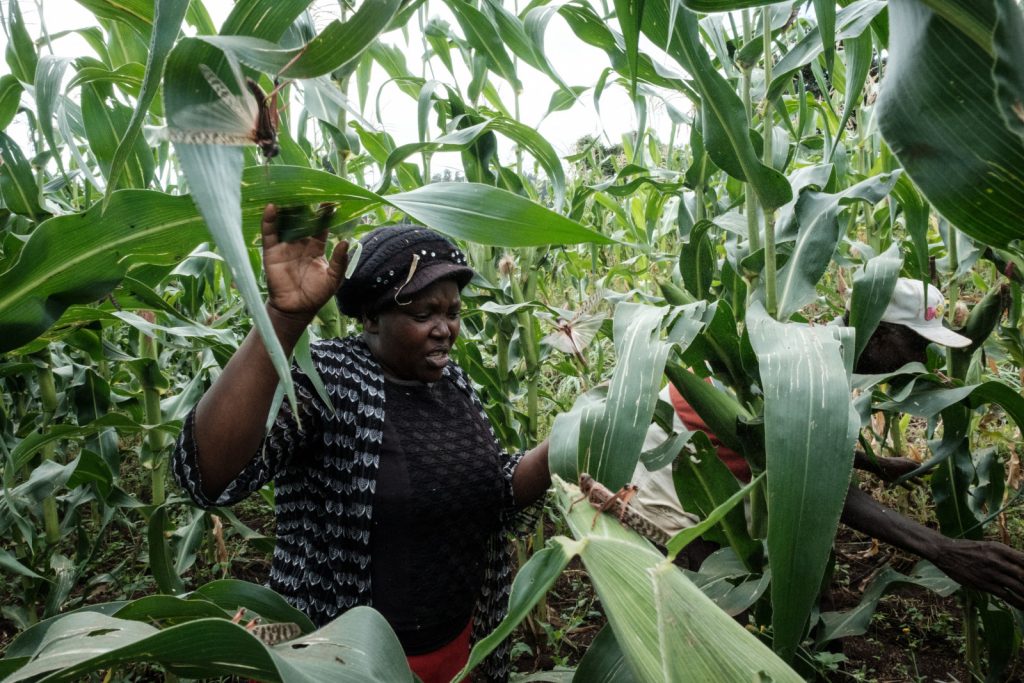
Africa’s economy was recovering from the Covid-19 pandemic in 2022 when a series of internal and external shocks occurred, including adverse weather conditions, a devastating locust invasion, and the Russian invasion of Ukraine.
Although Africa’s direct trade and financial links with Russia and Ukraine are small, the war has damaged the continent’s economies through rising commodity prices, rising food and fuel prices, and general inflation. The main effect is the increased likelihood of civil strife due to food and energy driven inflation in an environment of increased political instability.
Major African economies such as South Africa and Nigeria were already stuck with low growth, and many African governments have seen their debt burdens rise (some, like Ethiopia and Ghana, now have dollar debt trading at difficult levels). , and more countries will follow in 2023.
On average, the public sector debt-to-GDP ratio of African countries exceeded 60% in 2022. The era of Chinese state-backed big loans and mega-projects began 20 years ago in Angola after the end of its civil war. It may be coming to an end, but Chinese private sector investments in the mainland will continue through its Belt and Road initiative and dual-circulation development model.
Geopolitical competition in Africa has intensified in 2022, particularly between great powers such as China, Russia, the US and the EU, but also between intermediate powers such as Turkey, Japan and the Gulf states.
The sixth AU-EU summit was held in Brussels in February and agreed on the principles for a new partnership, although the Russian invasion of Ukraine derailed these ambitions. Japan’s pledge of $30 billion in aid to Africa at the eighth Tokyo International Conference on African Development in August 2022 was clearly made in light of the $40 billion pledged at the China-Africa summit in November 2021.
The United States also launched a new strategy to strengthen their partnership and held a second US-African leaders’ summit in Washington in December. Russia’s ambitions have been curtailed by its invasion of Ukraine, postponing its second summit with African states until 2023. The imposition of international sanctions has complicated its trade and investment, and its military support, including through the Russian paramilitary group Wagner. , has been reduced, focused on Mali, Libya and the Central African Republic (CAR). The strategic importance of Africa has resulted in all members of the UN P5 calling on the G20 to make the AU its 21st member in 2023 under the Indian presidency.
fight for africa
Competition to secure critical and strategic minerals and energy products from Africa has intensified during 2022, and in the energy sector, European countries want to diversify away from Russian oil and gas with alternative supplies, including from Africa.
Western mining companies and commodity traders are increasingly seeking alternative supplies from Africa. Decarbonization is becoming a driver of resource nationalism and geopolitical competition in certain African mining markets, home to large deposits of critical “transition minerals” including copper, cobalt, graphite, lithium and nickel.
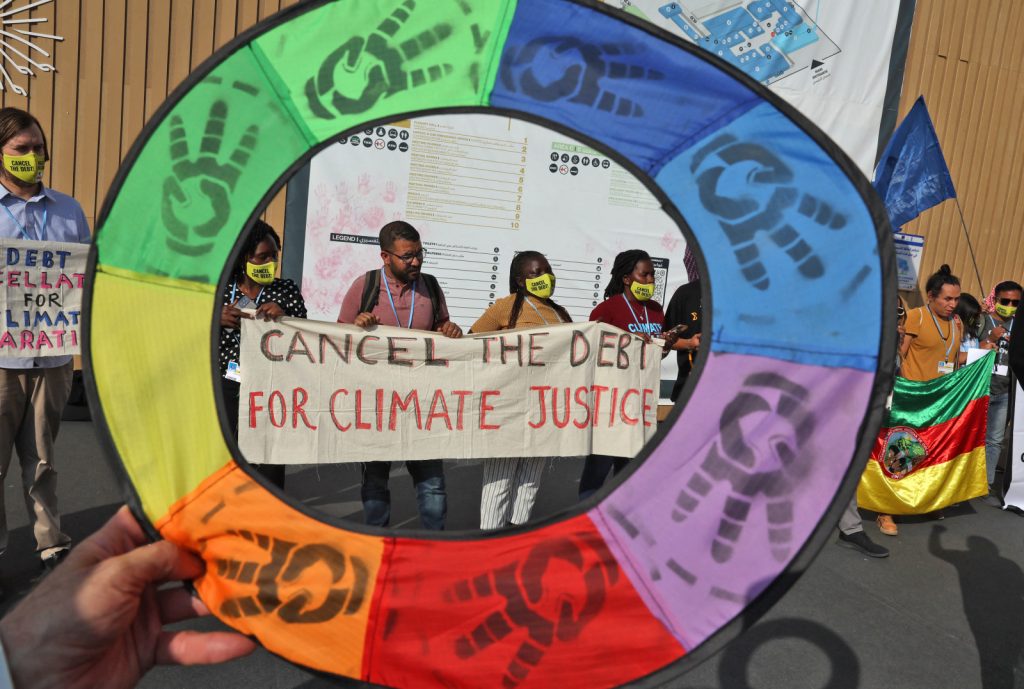
The Conference of the Parties to the United Nations Framework Convention on Climate Change (COP27) was held in Egypt in November and provided African leaders with the opportunity to shape climate debates by advancing their priority areas, such as losses and damage, stranded assets, access to climate change. finance, adaptation and desertification.
Climate adaptation in Africa is a key condition to preserve economic growth and maintain social cohesion. The Horn of Africa, particularly Somalia, is experiencing one of the worst droughts on living memory. The geopolitical and geoeconomic ramifications of the Ukraine war have directly affected the African continent by contributing to inflation in food and cooking oil and humanitarian aid delivery.
Throughout 2022, the AU underwent intensive reform and struggled to respond to the growing number of security crises across the continent. 2023 will have hotspots in the western Sahel and Lake Chad basin, eastern Democratic Republic of the Congo (DRC) and northern Mozambique, all crossing state borders. In Mozambique, a 2019 UN-assisted peace deal will see the last Renamo guerrillas demobilize in 2023 to reintegrate into civilian life, some of whom were recruited in 1978.
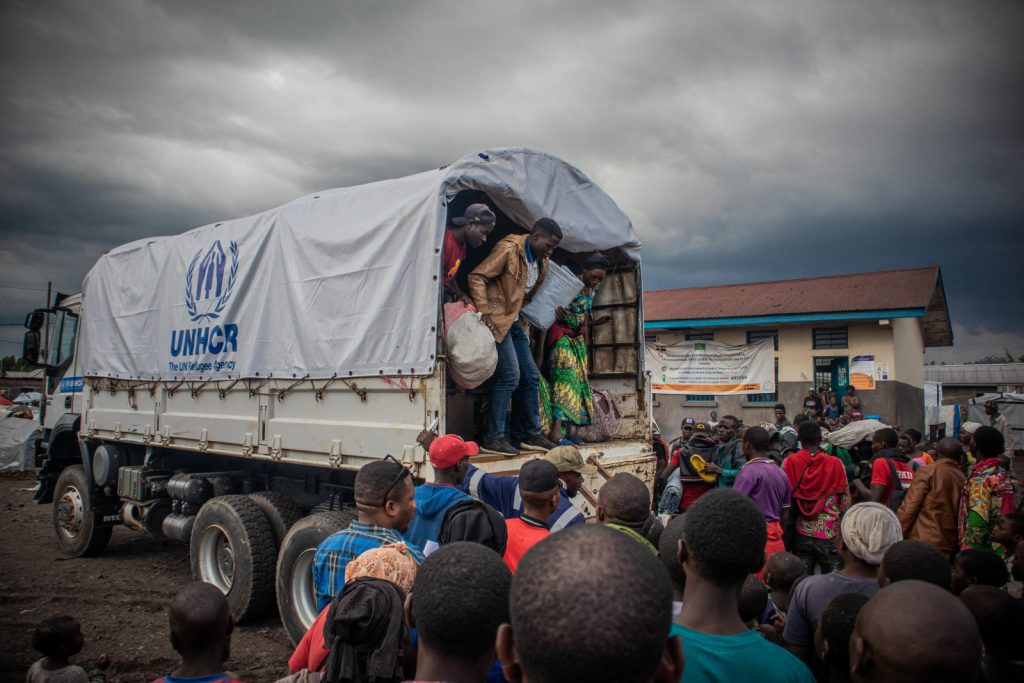
One of the 120 armed groups, the M23, resumed its conflict against the central government after being inactive for several years. He took up arms again in 2021 and has been leading an offensive in eastern DRC against the Congolese army.
According to the UN, Rwanda has been supporting the M23, and in November the Kenyan parliament approved the deployment of some 900 soldiers to the Democratic Republic of Congo as part of a joint East African Community (EAC) bloc military force. . The Democratic Republic of the Congo joined the EAC in March.
In the Horn of Africa, Ethiopia saw an uneasy ceasefire agreed between the federal government and the Popular Front for the Liberation of Tigray.
Islamist militant groups in Africa expanded their territorial reach in 2022, particularly in the western Sahel, where affiliates of al-Qaeda and the Islamic State compete for influence.
The withdrawal and departure of Western forces from Mali, both the French Operation Barkane and international contributions to the UN Minusma mission there, add new dimensions to regional security challenges. Mali’s decision in May to withdraw from the G5 Sahel has also eroded the regional security architecture. Jihadist activity may spread further to coastal states, prompting international partners such as France and the UK to reshape their security assistance strategy for the region.
blows on the rise
Beatings are on the rise in parts of Africa. Since 2020, there have been successful military coups in Burkina Faso (twice), Chad, Guinea, Mali (twice), and Sudan, and failed ones in the Central African Republic, Djibouti, Guinea-Bissau, Madagascar, Niger, and possibly Gambia and São Tomé. and prince.
Three national elections illustrate the state of African democracy in 2022. In Angola’s August elections, the ruling MPLA lost an absolute majority, and the opposition Unita won a majority in Luanda for the first time.
In Kenya, also in August, William Ruto prevailed to become president ahead of a coalition backed by the incumbent led by longtime political challenger Raila Odinga.
In Equatorial Guinea’s November elections, Africa’s longest-serving president, Teodoro Obiang, extended his 43-year term with 94.7% of the vote, with a 97% turnout.
There will be elections in 17 African states during 2023 for head of state or government or national legislature. Elections and their results in Madagascar, Nigeria and Zimbabwe could become flashpoints.
Although fragile, the African Development Bank forecasts an economic recovery particularly in East Africa, due to a rebound in industrial and service activities, increased public spending, the reopening of travel and trade due to the adoption of Covid vaccines. -19, the recovery of the tourism sector. and the deepening of regional ties.
Alex Vines is the Director of Africa at Chatham House.


