


PORTLAND, Oregon – Oregon’s first drug decriminalization measure in the nation has been hotly scrutinized since voters approved it two years ago, but as state funding finally begins to trickle down to addiction service providers, advocates say they’re starting to see results.
“It’s going to take a long time to fully see what’s happening,” said Hannah Studer, deputy director of the behavioral health nonprofit Bridges to Change. “We have to stay the course because this is life or death and this is really building a whole new future for the state that the state deserves.”
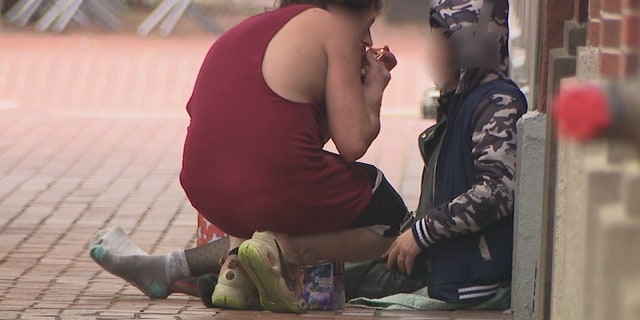
Voters approved Measure 110 in 2020, which decriminalizes possession of amounts of drugs for personal use and redirects tax dollars to fund addiction services.
(FoxNews)
PORTLAND BUSINESS OWNERS FACE ‘MAKE IT OR BREAK IT’ HOLIDAYS AS CRIME SURGES AFTER THE PANDEMIC AND RIOTS
Measure 110 passed with 58% of the vote in 2020. It decriminalized possession of personal amounts of hard drugs, such as heroin, methamphetamine, and fentanyl, and redirected a significant portion of the state’s marijuana tax revenue, which it used to go to schools, police and local governments: to fund grants for addiction services.
But critics accuse the law of fueling addiction and crime in parts of the state, especially Portland, and the measure became a hot topic in this year’s gubernatorial race.
“It has worked very well for drug dealers and drug users because we have an outdoor drug market,” said David Potts, president of the Lents Neighborhood Livability Association.
Portland Police Association President Aaron Schmautz told Fox News in September that police do not want to see “mass incarcerations as a result of low level drug use” and that treatment should be prioritized.
“But you need some teeth for that,” Schmautz said. “There has to be a way to enforce that treatment.”
HOW HAS DRUG DECRIMINALIZATION WORKED FOR OREGON? WATCH:
WATCH MORE FOX NEWS DIGITAL ORIGINALS HERE
Drug possession is now a Class E offense, punishable by a maximum fine of $100, which individuals can waive if they call a hotline and complete a treatment assessment. Oregon Health and Science University director of addiction medicine, Dr. Todd Korthuis, said few people call the hotline, and most do so only to get the citation waived.
“Only 1% of those who received a ticket for drug possession requested information about treatment resources,” he told a state Senate committee earlier this year. “In my conversations with treatment leaders across the state, no patients have signed up for treatment because of these tickets.”
Of 3,645 citations issued through November, 68% ended in a conviction because the suspect failed to appear in court, according to the Oregon Judicial Department.
Ron Williams, director of outreach for the Health Justice Recovery Alliance, which advocates for Measure 110, isn’t concerned about the lack of participation and believes that people should be able to seek recovery services on their own terms.
“There is very little evidence that coercive treatment works,” Williams said. “Most people who use drugs recreationally don’t think they have a problem and therefore don’t think they need treatment. So why would you force them into treatment?”
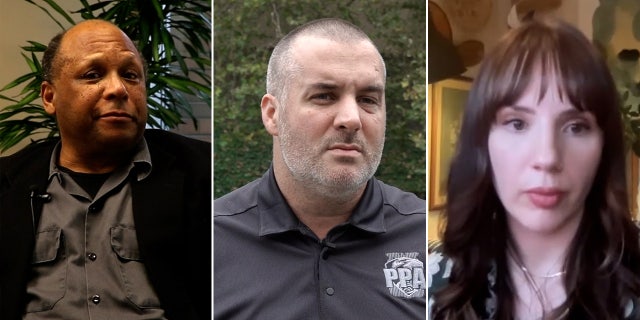
From left, Ron Williams of the Health Justice Recovery Alliance; Portland Police Association President Aaron Schmautz; Hannah Studer, deputy director of Bridges for Change.
(Fox Digital News)
PORTLAND’S HOMELESS CRISIS HAS RESIDENTS ‘CHOOSING ANOTHER PLACE’ TO LIVE, SAYS REAL ESTATE BROKER
The slow implementation of the measure also raised concerns. Although the decriminalization went into effect on February 1, 2021, the state did not approve the bulk of the grants until the end of August.
“We know that there have been delays by the state in sending funds to providers,” Studer said. “However, we now have the funding and can really begin to provide desperately needed services in Oregon.”
The state has now awarded $302 million in grants for harm reduction, overdose prevention, recovery housing and more. In most cases, it can’t be used for residential inpatient treatment, which is funded primarily by Medicaid, Williams said.
Bridges to Change received about $12.5 million, which Studer says saved one of their programs that was about to close due to lack of funding and will allow them to hire dozens more employees and fund 202 new beds.
“Women in our women’s housing programs who can have a safe place for themselves and their children,” Studer said. “People in more rural areas of Clackamas [County] who were never able to access supportive housing, who now have paid supportive housing to live in for as long as they need.”
But Oregon’s addiction rate remains among the highest in the country.
“We’ve seen increases in overdoses,” Schmautz said. “We are having a huge epidemic of fentanyl and other drugs in our community.”
Drug overdose deaths have skyrocketed across the country since early 2020, according to the Centers for Disease Control and Prevention. Williams argued that the increase in overdose deaths in Oregon remains below the West Coast average, so it’s not fair to blame Measure 110.

WHERE ARE THE COPS? FRUSTRATED PORTLAND RESIDENTS SAY POLICE ‘ARE ALMOST GONE’
“Substance use shouldn’t be a criminal issue. It’s a health issue,” Williams said. “The idea is to move away from a criminal justice approach and toward a health-based, science-backed, health-based approach.”
Schmautz agreed that addiction is a medical problem, but blamed addiction for many of the “social ills” facing Portland.
“Homelessness skyrocketed, mental illness…low level crime and then even homicides and stuff,” he said.
Williams said it’s not fair to attribute the increase in crime to Measure 110, since the only thing the law makes legal is the personal use of drugs.
“Stealing is still a crime. Car loitering is still a crime. Theft is still a crime,” Williams said. “Homelessness, crime, those problems existed before Ballot Measure 110 and they were increasing before Ballot Measure 110.”
For decades, police used possible drug possession as a pretext to stop and search people, Williams said.
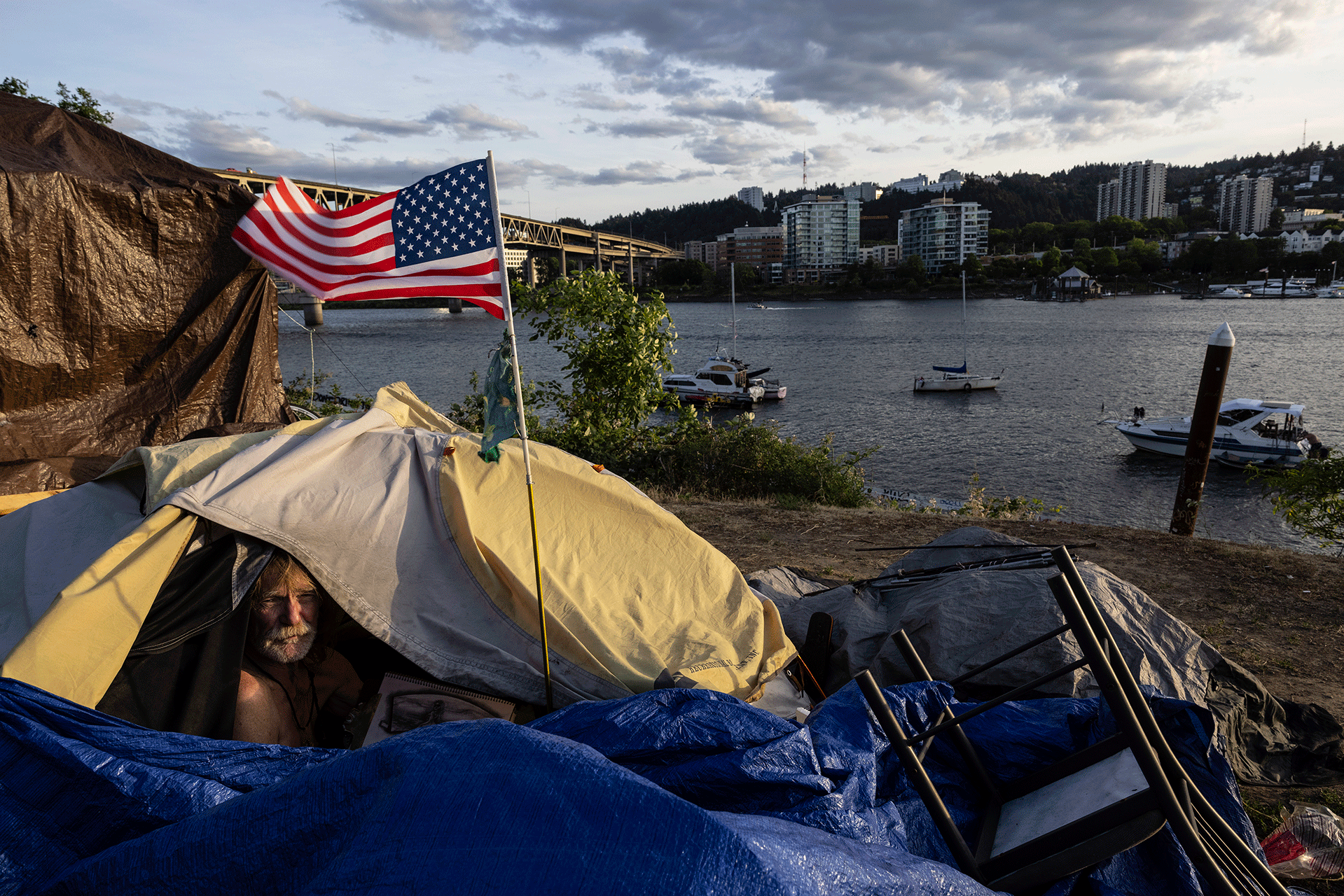
A man sits in his tent in Portland, Oregon, along the Willamette River, on June 5, 2021.
(AP Photo/Paula Bronstein, File)
CLICK HERE TO GET THE FOX NEWS APP
“Across the country, those people have been black and brown,” he said. “So this kind of decline…those negative impacts on communities of people of color. And it transforms the nature of substance use from being something you punish to being something you provide services for.”
Overall, Studer encouraged the patience of Oregonians, who she says deserve better than the old addiction approach.
“Deserving better will take time,” he said.
Ramiro Vargas contributed to the attached video.


