


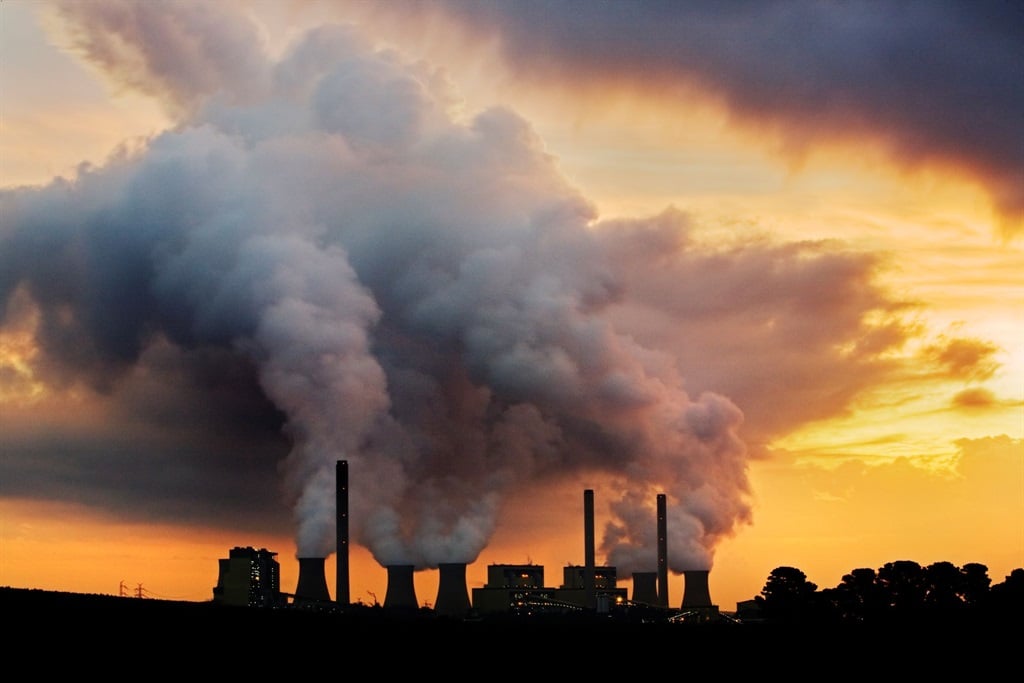
Critics of the carbon trading system are concerned that some countries are cheating by possibly exaggerating reductions.
Today’s market for carbon credits is fragmented and complex. With limited price data, how do buyers know if they are paying a fair price and how do suppliers manage the risk of carbon offset projects? The unified role of regulators is an important player in the carbon credits game, writes Lisa Ester Huyzen.
Towards the end of the 1980s, the United States of America (USA) had a problem. Its power plants had been emitting vast amounts of sulfur dioxide for years, which falls back to earth as acid rain. Acid rain damages plants, aquatic animals, and infrastructure.
In 1990, the US government passed a law to force polluters to pay for their emissions, governed by a system called “cap and trade.” Eight years later, acid rain levels in large parts of eastern America have dropped by 20%, and a new way to reduce emissions has emerged.
In 1997, the United Nations international climate change treaty, the Kyoto Protocol, suggested applying the concept of “cap-and-trade” to carbon, and carbon trading markets were born.
Here’s how the cap-and-trade compliance carbon market works:
Each year, organizations that have a large carbon footprint are assigned an allocation proportional to their historical emissions. These allowances, or carbon credits, can be bought and sold on a secondary market. If, for example, companies exceed their allotted carbon allowance, they will need to buy more credits from their carbon market. But if companies were to implement measures to reduce their emissions, they could sell any excess carbon credits on their industrial market.
unbalanced logic
The genius of cap-and-trade systems is that they use both the carrot and the stick when implemented correctly, which incentivizes companies to innovate.
However, critics of the carbon trading system fear that countries facing economic difficulties may be tempted to cheat. These countries can cheat the cap-and-trade system either by making their emissions gap too generous or by using accounting tricks to exaggerate the reductions.
For example, a nation could reduce its carbon emissions by building wind farms to replace coal-fired power plants. This investment in infrastructure will free up a portion of your carbon allocation, which could be sold to another country. But it could still count as a reduction in the first country’s emissions, even though overall production hasn’t changed. There are also fears that major polluters could relocate across borders to avoid signing up for a “cap and trade” scheme or find a more lenient jurisdiction.
READ | EXPLAINER | How does CO2 removal work?
Another criticism of carbon markets is that developed countries, which have polluted the most to date, can invest in capital-intensive technologies to mitigate carbon emissions, unlike poorer countries. By doing so, rich countries can position their economies towards less carbon-intensive activities, thus avoiding or reducing greenhouse gas emissions.
However, poorer countries tend to allocate available climate finance for climate adaptation, thus being able to adapt to current and future damages from climate change.
However, industrial powerhouse that it is, China is the big kahuna because it produces highly carbon-intensive goods at a massive rate. Without China’s full cooperation in harmonizing carbon pricing and carbon trading systems, most of the world’s efforts are likely to be undermined.
The price is not right, yet
The price of carbon is determined by supply and demand. The cost of carbon will rise and fall depending on whether companies find alternatives to pollution by putting a price on harmful activity. As of January 2022, South Africa’s carbon tax rate is R144 (approximately $9 per tonne). Proposed increases in the country’s carbon tax and other green levies are expected to be much higher than inflation over the next 10 years.
Economists Joseph Stiglitz and Nicholas Stern argue that the global carbon price should be between €50 and €100 per tonne by 2030. Only then will the 2015 Paris Agreement meet the goal of limiting global warming to well below limits. 2 degrees Celsius, compared to before. reach industrial levels. Most carbon prices remain well below this range.
Again, even if carbon is priced appropriately, the penalties for exceeding carbon levels are sometimes ineffectively low. In the European Union, a fine can be as low as €100 per tonne in excess. Considering that it’s not much more than the price of a permit, it’s not a turn off. And that is if the companies get caught in the first place. In theory, regulations govern carbon pricing and permitting, but in practice, there are problems with measuring direct versus indirect emissions and deception.
In the absence of regulation, no one will pay for carbon emissions or pay penalties for emitting carbon, making the carbon trading system meaningless.
If governments limited the number of permits, their price would increase. Setting a minimum price that goes up over time would mean that the price would never go too low. Governments must also enforce stricter regulations to deter would-be rule breakers.
Crucial to the success of “our” international carbon emission targets is establishing a kind of global carbon price and structured collaboration between economies. Then the impactful reduction in carbon will begin to gain momentum, a key component needed to save “our home.”
Lisa Esterhuyzen is a Junior Lecturer in the Department of Business Management at the University of Stellenbosch.
News24 encourages freedom of expression and the expression of diverse points of view. Therefore, the opinions of the columnists published in News24 are their own and do not necessarily represent the views of News24.


