


The New York City Police Department ended a policy of prolonged street stops to check arrest warrants and ties to other cases as part of a court settlement.
“The NYPD is committed to upholding people’s constitutional rights and has agreed to clarify existing policy to make it clear when officers can make a warrant inquiry during an arrest,” a spokesperson for the NYPD’s law department told Associated. the city, Nicholas Paolucci. Press.
The New York police settled a lawsuit Friday with stipulations that police officers only check warrants if they have “reasonable suspicion” and if the suspect “was committing, committed, or is about to commit” a crime or if there is probable cause that the suspect has committed a crime.
The class action lawsuit, filed in 2019, challenged the stops as unconstitutional, citing the Fourth Amendment’s prohibition on unlawful stop and unlawful search and seizure.
FORMER NYPD COMMISSIONER REVEALS THE EXACT MOMENT POLITICIANS ‘CREATED’ THE CRIME CRISIS IN NEW YORK CITY
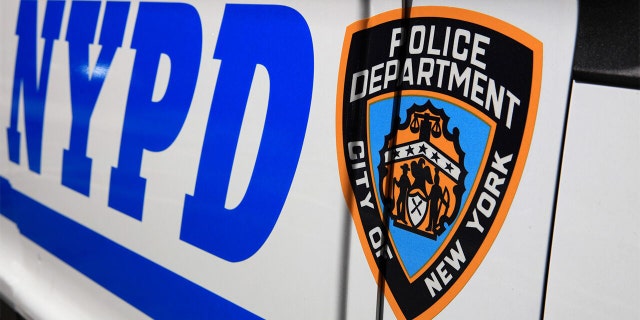
Signage for the New York City Police Department.
(New York Police Department)
The Legal Aid Society, a public defender organization, filed the lawsuit with two outside law firms.
“This lawsuit has always been about bringing justice to innocent New Yorkers who are baselessly stopped on the street so aggressive NYPD officers can check their IDs,” said attorney for the plaintiffs, Cyrus Joubin.
40 YEAR OLD NYPD OFFICER: I HAVE NEVER SEEN NYC CRIME AS BAD AS IT IS NOW
Law enforcement unions and some elected officials criticized the ruling.
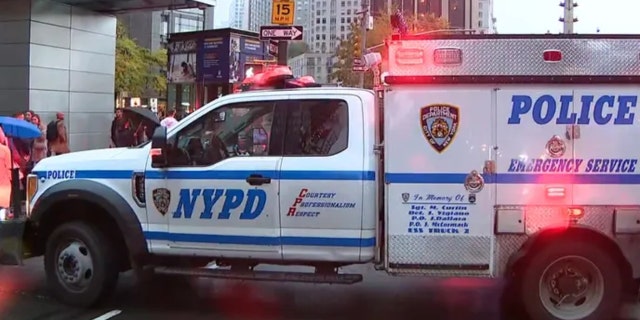
NYPD responds at Columbus Circle.
(FOX 5 New York)
“This is another decision that empowers criminals and prevents police from doing their jobs,” Councilwoman Joann Ariola, a Queens Republican, said in a tweet shared by the city’s detectives union. “We need to make public safety a priority in this city, but this will pretty much guarantee that dangerous criminals can roam at will.”
THE HIGH CRIME RATE IN NEW YORK CITY IN THE EARLY MONTHS OF 2022 DRIVEN BY REPEATED OFFENDERS
Historically, police departments have used the suspicion of a relatively minor offense—for example, the smell of marijuana or a broken taillight—as a pretext for digging into a person’s past, scouring databases for open warrants. and what the NYPD calls Investigation Cards, or I. -Cards.
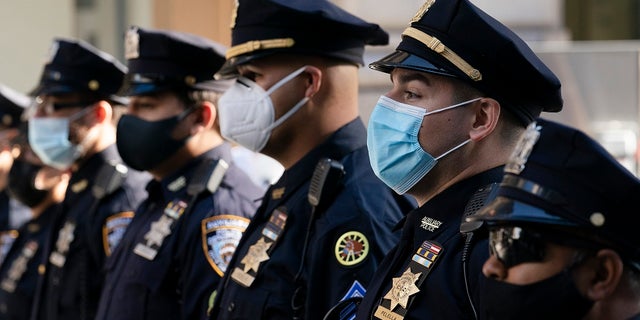
Members of the NYPD.
(AP)
CLICK HERE TO GET THE FOX NEWS APP
Under the agreement, the NYPD must train all officers on the new policy by January 31. It will also pay $453,733 in damages and attorneys’ fees for five plaintiffs named in the lawsuit. The plaintiffs will each receive between $3,000 and $19,000.
Associated Press contributed to this article.


