


MOSCOW, Idaho – FIRST ON FOX: The hands of four murder victims stabbed in their home across from the University of Idaho campus on November 13 may contain evidence that is crucial to the unsolved case.
Police are still working to determine who killed the four college students: Ethan Chapin, 20; Xana Kernodle, 20; Kaylee Goncalves, 21; and Madison Mogen, 21, as they slept at their off-campus home between 3 a.m. and 4 a.m. on Nov. 13, a Sunday.
As part of crime scene preservation, Idaho investigators bagged the victims’ hands in an effort to contain potential leads before removing their bodies from the crime scene, the Latah County coroner told Fox News, Cathy Mabbutt.
Forensic experts say the hands of the four victims may contain evidence, such as skin or hair under the nails, that could provide important clues to the identity of the suspect. Their hands may also have touched the DNA if they made physical contact with the killer or killers.
UNIVERSITY OF IDAHO STUDENTS KILLED: A TIMELINE OF EVENTS

Handprint on the window of the Idaho home where Ethan Chapin, 20; Xana Kernodle, 20; Kaylee Goncalves, 21; and Madison Mogen, 21, were killed on November 13.
(Derek Shook for Fox News Digital)
“This is good crime scene protocol, where they can also say that if they did it right, then chances are everything else was done right as well, which should allay some of people’s concerns. “said Joseph Giacalone, a member of John Jay. Professor at the College of Criminal Justice and retired NYPD Sergeant.
IDAHO MURDERS: FATHER OF MURDER VICTIMS SAID HE HAD ‘LARGE OPEN WOUNDS’ CALLS POLICE ‘COWARDS’
“When you have a close attack like this, there’s a very good chance that the victim will scrape their face or arms.” [of the assailant] while trying to defend themselves. So this is an incredible development,” he told Fox News Digital.
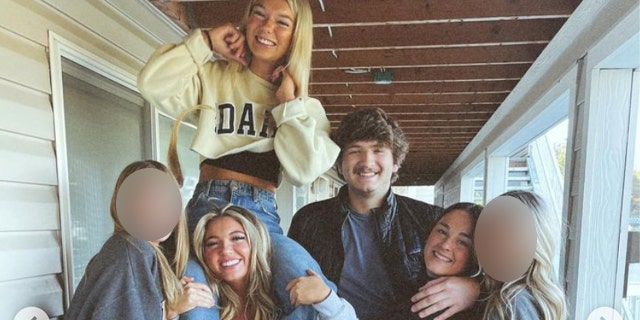
Ethan Chapin, 20, Xana Kernodle, 20, Madison Mogen, 21, and Kaylee Goncalves, 21, along with the two other roommates of the women in Kaylee Goncalves’ latest Instagram post, shared the day before the murders.
(@kayleegoncalves/Instagram)
Idaho State Police Forensic Services Laboratory Systems Director Matthew Gamette told Fox News Digital: “DNA can be found in any type of cellular material.” At crime scenes, investigators try to determine if “someone touched a surface or handled a surface or left behind blood, saliva, any type of bodily fluid” and then “identify areas where there might be tissue or touch DNA.”
IDAHO POLICE SEARCH WHITE HYUNDAI ELANTRA IN MOSCOW UNIVERSITY MURDER CASE
“And then we would be trying to develop DNA profiles from those surfaces, in the case of latent prints,” he explained. “We could be working on a room or a car or something of that nature to be able to develop latent fingerprints or fingerprints of a person that are visible to the naked eye. And then we would look to compare them to known people, or we would look to put them in a database. to see if we can identify anyone.”
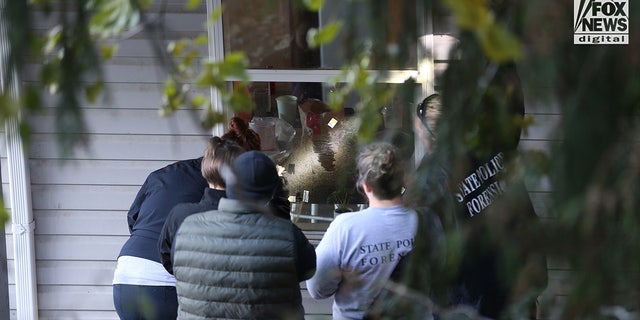
State Police forensics search for clues in Moscow, Idaho on November 21, 2022.
(Derek Shook for Fox News Digital)
Investigators perform some tests at crime scenes before collecting and transporting the evidence to the police department evidence room and then to the forensics lab.
FAMILY OF IDAHO VICTIM RAISES FUNDS FOR REWARD MONEY AS CAMPUS MURDER MYSTERY ENTERS WEEK 4 WITHOUT ARREST
“In general, what we are looking to do is first identify a possible suspect or suspects: possible perpetrators of a crime if there is [are] none,” Gamette said. “There may be some already identified. And if that’s the case, we’ll ask officers to collect items from them that can be used to match their samples from the scene or to eliminate them as potential contributors to things like fingerprints and DNA.”
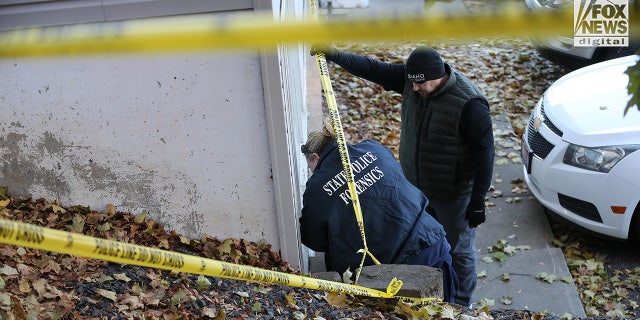
State Police forensics search for clues in Moscow, Idaho on November 21, 2022.
(Derek Shook for Fox News Digital)
If investigators can find DNA at a crime scene, which is not always a given depending on the complexity of the scene, police can check that information against the State of Idaho DNA database as well as the database of fingerprint data from state and national databases in “an effort to try to identify a potential perpetrator,” the DNA analysis expert said.
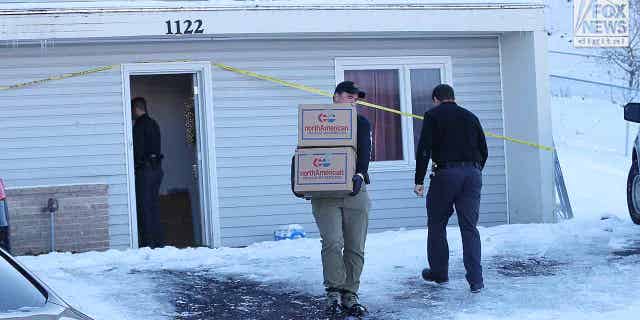
The belongings of victims of the University of Idaho quadruple homicide are removed from the home in Moscow, Idaho, on December 7, 2022.
(Derek Shook for Fox News Digital)
The entire process can take days in some of the shorter homicide cases and up to weeks, depending on the complexity of the crime scene and whether it contains mixed DNA.
Also, everything a scientist does “in the lab has to be reviewed by a second scientist to make sure that they come to the same conclusions that the first scientist did,” Gamette said.
FAMILY OF IDAHO VICTIM RAISES FUNDS FOR REWARD MONEY AS CAMPUS MURDER MYSTERY ENTERS WEEK 4 WITHOUT ARREST
Giacalone said the scene is not “a DNA cut-and-dry case” due to the fact that the house where the victims were killed, a rented university a short walk from campus, “likely has a lot of DNA mix-ups.”
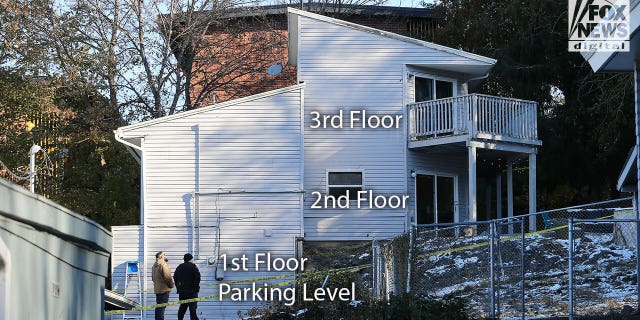
The house where four University of Idaho students were murdered on November 13.
(Derek Shook for Fox News Digital)
“If you found specific DNA on the body or blood drops at the crime scene, then you can look for a DNA sample,” the retired sergeant said. “The police department is very busy trying to get a DNA sample.”
CLICK HERE TO GET THE FOX NEWS APP
Police have yet to announce a suspect or any type of motive in the quadruple murder.
Reporters can submit information related to the crime or vehicle to the tip line at 208-883-7180 or to the MPD tip email tipline@ci.moscow.id.us.


