


The establishment of a loss and damage fund is one of the major historic results achieved at the 27th Conference of the Parties (COP27). This is important for the African continent, as we are very vulnerable to the impact of climate change.
This year’s climate conference was called the “Implementation COP”. There was a general consensus among the parties to the Paris Agreement that the main pillars of implementation are mitigation and adaptation actions; support to developing countries through financing and other “means of implementation”. There was an expectation that earlier financial promises to speed up implementation before COP27 would finally be fulfilled. The conference was also framed as the “Africa COP”, with the expectation that the core problems of Africa would be prioritized and resolved. So, it is important to ask whether COP27 has delivered on addressing important issues for African countries.
The main outcomes of COP27 were the establishment of the loss and damage fund; the launch of the adaptation agenda to support adaptation and build resilience for four billion people by 2030, and the go-ahead for carbon credit trading. However, the indecision on the unresolved issue of phasing out fossil fuels was disappointing, especially given the current push back towards fossil fuels by developed countries in light of their own energy crises.
“Loss and damage” was one of the main topics addressed at COP27. This was due to the increasing global impacts of weather-related events, which disproportionately affect the most vulnerable, creating irreparable damage. Loss and damage is the third crucial pillar in helping people rebuild after weather-related damage.
Why is a loss and damage fund important for Africa? First, at its core, the fund provides justice to those communities that are harmed by climate change but have contributed much less to global emissions, even when the developed countries that have contributed the most emissions still benefit from the fuels. fossils.
The African continent contributes no more than 4% of global carbon dioxide emissions, much less than what other countries contribute. This fund will be able to do justice, in part, for Africa and vulnerable countries. This is something that has been missing from climate change negotiations for a long time.
Second, countries incur unsustainable debt when they borrow for social protection in the wake of climate disasters. The loss and damage fund will be able to protect countries from incurring climate finance debt.
However, it has been made clear that the loss and damage fund is not a claim for compensation or responsibility of developed economies. This was a commitment made to include the issue of loss and damage on the COP27 agenda. The US reiterated that it would not support any official discussion until it is agreed that there will be no liability or compensation claims during the agenda negotiations.
The loss and damage fund has yet to be quantified in terms of how it will be paid out and which countries should contribute to the fund. This will be further discussed at COP28. Therefore, while the establishment of the fund is a progressive step forward, much remains to be done to ensure that the fund actually materializes and is channeled towards the victims of climate change.
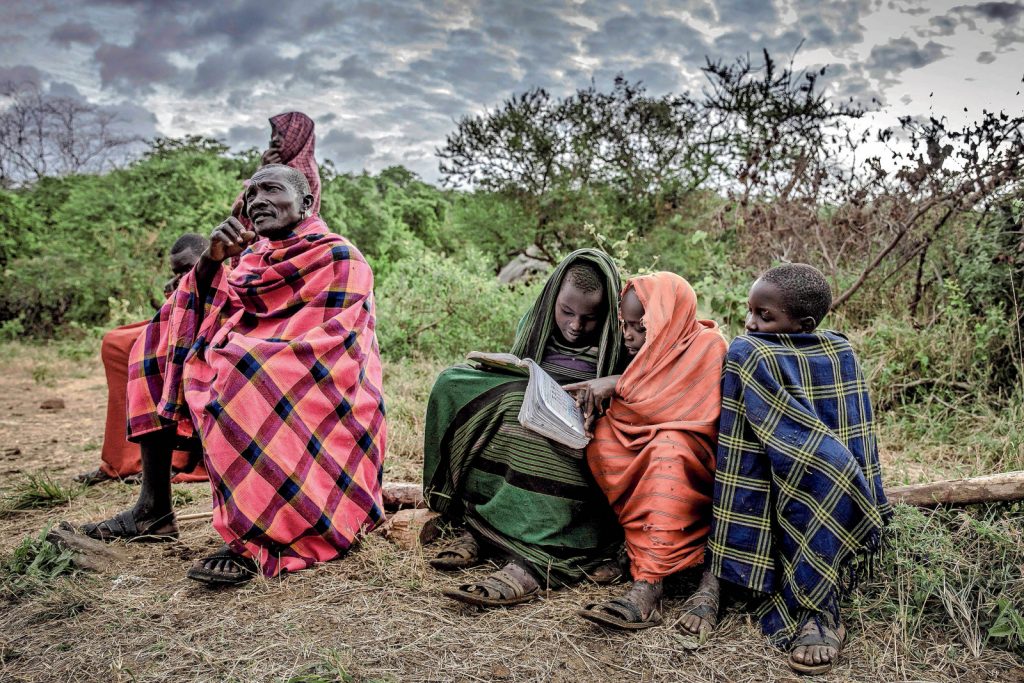
However, the establishment of a loss and damage fund at COP27 was a historic milestone and a victory for progressive action, despite other shortcomings at the conference, such as those related to emissions reductions. The loss and damage fund must not distract from the fact that the world is not on track to halve emissions by 2030 or to meet the global goal of limiting global warming to 1.5°C by 2050.
COP27 made no tangible progress towards reducing the use of fossil fuels, nor were decisive steps taken for mitigation. COP26 had questionably resorted to a “phasing down” of fossil fuels and COP27 only reiterated that there was no clear position on the use of oil and gas and no agreement on phasing out fossil fuels. This continued reduction in the use of fossil fuels does not send any clear message about the urgent action required to reduce emissions.
The loss and damage fund should not be a gateway for developed countries to avoid climate action, specifically mitigation efforts, by paying for damage caused by climate change. This concern is greater in light of the approval for the parties to trade carbon credits. This just perpetuates the cycle of polluting and then throwing money at the problem without reducing emissions. The need becomes more and more urgent for the developed countries that are the largest contributors to global emissions to reduce these emissions.
Reducing emissions by reducing the use of fossil fuels remains the only way to limit global climate warming to 1.5°C and fight climate change. COP27 did not meet the commitment to reduce emissions. Despite delivering tangible results for Africa and other developing countries with the loss and damage fund, COP27 still failed to safeguard a global climate warming target. The lack of a decision on fossil fuel mitigation means developed countries will keep emitting as long as they can pay for the damage without admitting liability.
Dr. Nqobile Xaba is a research fellow at the Mapungubwe Institute for Strategic Thinking and co-editor of the institute’s publication, A just transition to a low carbon future in South Africa.


