


On Wednesday, border patrol agents at the port of Nogales, Arizona, prevented more than 1.2 million fentanyl pills and four pounds of fentanyl powder from entering the United States.
Port Director Michael W. Humphries of the US Customs and Border Protection gave a breakdown of the drug acquisition Thursday.
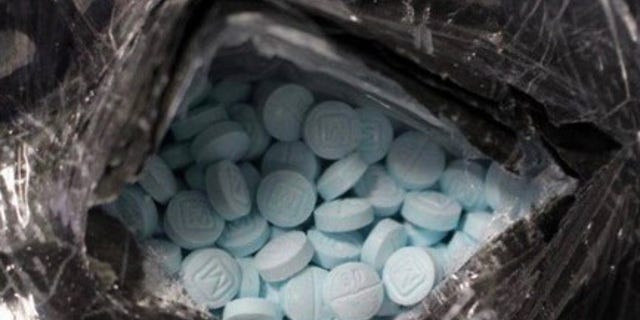
US Customs and Border Protection agents seized more than 1.2 million fentanyl pills between two raids on Wednesday.
(U.S. Customs and Border Protection)
“CBP officers stopped two loads on Wednesday,” Humphries said on Twitter. “The first load contained approximately 541,000 fentanyl pills, 4 pounds of fentanyl powder, and 37.55 pounds of methamphetamine concealed in the doors and rear panels of cars. Seven hours later, approximately 689,200 fentanyl pills were found concealed in a vehicle”.
ARIZONA BORDER OFFICIALS FIND OVER 700,000 FENTANYL PILLS HIDDEN ON TRAIN ARRIVING FROM MEXICO
Just five days earlier, Humphries reported the seizure of 230,600 fentanyl pills in a spare tire in the wheel well of a car and another 832,000 fentanyl pills in a different vehicle trying to enter the US through from the Port of Nogales.
Seizures of fentanyl at the US-Mexico border have continued to rise this year.
US Attorney Randy Grossman issued a press release in August, saying, “The amount of fentanyl we are seizing at the border is staggering.”
BORDER PATROL UNION PRESIDENT SAYS AGENTS FEEL ‘COMPLETELY DEFEATED’ BEFORE THE END OF TITLE 42
The comments came as the Justice Department revealed that several ports in Southern California were at the center of a surge in fentanyl seizures at the border, where an estimated 60% of 2022 seizures of the deadly drug were made. .
But that increase has been seen at ports along the border, with law enforcement agencies on both sides of the southern border pulling off record raids in 2022.
CLICK HERE TO GET THE FOX NEWS APP
Law enforcement officials have warned of a rise in deaths related to the illicit drug, which is 100 times more potent than morphine and can be fatal in small amounts. The drug is created primarily in Mexico using precursors from China, and is then transferred across the US land border.


