


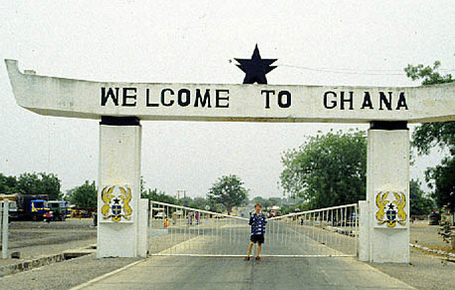
 Panelists at the Africa Prosperity Summit in the Eastern Region, Ghana, have pushed for the ratification of the African Union (AU) protocol on the free movement of people.
Ratification of the protocol, along with implementation of the policy on trade in goods and services, investment, intellectual property rights and competition, under the African Continental Free Trade Area (AfCFTA), they said would speed up internal trade and ensure prosperity. . of the continent and its citizens.
Since the protocol’s adoption by 33 African countries in 2018, only four [Rwanda, Niger, Mali and Sao Tome and Principe] of the 15 necessary for the protocol to enter into force, have ratified it. Signatories to the protocol include Ghana, Angola, Bukina Faso, the Central African Republic, Chad, the Ivory Coast, Comoros, Congo, Djibouti, the Democratic Republic of the Congo, and Equatorial Guinea.
The rest are Gabon and The Gambia, Guinea, Kenya, Lesotho, Liberia, Malawi, Mozambique, Senegal, Sierra Leone, Somalia, South Sudan, Sudan, Tanzania, Togo, Uganda and Zimbabwe.
Panelists said this should change to allow not only goods but also people to move across borders to facilitate trade and the implementation of AfCFTA, the largest free trade area by number of member states, after of the World Trade Organization.
Madam Joy Kategekwa, senior strategy adviser at the United Nations Development Program (UNDP), said the movement of people across borders “is what would ultimately put money in the pockets of most Africans.”
She advocated speeding up the ratification of the AU protocol on the free movement of people, noting that in 2017, around 19 million Africans left their respective countries for other African countries, but received around five million in the same period. .
Mad Kategekwa said: “We are talking about accelerating the implementation of AfCFTA and we cannot do that when people are not moving. So free movement is definitely part of the architect of the AfCFTA, especially for those who are into trade in services.
“So far, we have four ratifications and it has become important to increase the scale of ratifications, so can we extend it to investors, traders and business people in general”, said the UNDP Senior Strategy Adviser.
A Deputy Trade and Industry Minister, Herbert Krapa, also underlined the essence of speeding up the ratification of the AU protocol on the free movement of people for the success of AfCFTA and the prosperity of Africa.
Therefore, he urged the AfCFTA Secretariat to have an intentional agenda that would allow Ministries of National Security and Ministries of Foreign Affairs to work together with various regional bodies to intensify efforts to ratify the protocol.
Krapa said: “Paying political attention to the ratification of the protocol is very important… and we need a leader who will advocate for the facilitation of this protocol,” to unleash the potential of the free trade agreement.
Ghana Traders Union (GUTA) Chairman Dr. Joseph Obeng, in an interview with the Ghana News Agency, called for the removal of all barriers to allow people to trade freely and easily across the continent.
However, Dr. Obeng urged that the removal of barriers to trade under the AfCFTA, including the free movement of people, be done in accordance with the Rules of Origin, the criteria necessary to determine the nationality of a product.
He said: “The free movement of people is important, but let’s make sure we don’t open the borders for people to even exchange goods that are imported from other places. It must be closely monitored and put in the context of AfCFTA.”
Mad Emily Mburu-Ndaria, Director of Trade in Services, Investment, Intellectual Property, Rights and Digital Trade at the AfCFTA Secretariat, said they were doing the necessary trade facilitation for the trade pact to be successful.
“To implement AfCFTA, we are looking at how to improve even the elite passport, but our focus on entrepreneurs to be able to train them and help them cross borders easily and without delay”, Madam Mburu-Ndaria.
The Comptroller General of the Ghana Immigration Service, Mr. Kwame Asuah Takyi, noted that migration policies, including the free movement of people, should ensure development and poverty alleviation.
However, he asked that while efforts were being made to ensure the free movement of people across the continent, the security implications became paramount due to some unrest in some countries.
Source: GNA


