

In early 2020, when sam baddooHis grandmother got sick, he did what he always does: send money to Ghana from the US so she could seek medical attention. His grandmother had previously visited a local clinic and she was referred to a hospital, but instead she sought the attention of a herbalist. The next day, she passed away.
“For me, that was a big wake-up call,” Baddoo said. ok africa. “That’s the first time I really thought, ‘Shit, sending money home doesn’t actually guarantee anything.'”
In Ghana, as in many other countries, herbalists treat a variety of ailments through the use of herbs and traditional knowledge. Baddoo says herbalists, who are members of the community, rather than “strangers or people in white lab coats,” are trusted, particularly by the elderly, who trusted them before Western medicine was common.
Reflecting on his experience, Baddoo says that herbal medicine itself is not the problem, but the lack of regulation of the practice. He, too, has been frustrated when money he sends to relatives back home isn’t spent as expected, recalling times when he sent money to his grandmother for medical care, but she ended up giving the money to a pastor.
“You’re spending tons of your money taking care of the family at home, and that’s great. It’s part of our responsibility and we love doing it,” she says. “But should I have control over how I spend the money I work hard for as an immigrant? Hundred percent.”
At the time, Baddoo was working in the expatriate division of an insurance company, helping US citizens access healthcare abroad. “I thought, ‘Why isn’t it available to us? For my grandmother? There was a gap in the system.”
He set out to bridge that gap. In June, four months after his grandmother’s death, Baddoo had registered Fleri, a company that would allow immigrants to directly pay for health insurance for people in Africa.
Accessing healthcare in Africa can be challenging, Baddoo says. According to the 32-year-old businessman, his grandmother would not have qualified for private insurance given her age. If she found a company willing to insure her and she was able to pay out-of-pocket for the tests required to see if she was eligible for coverage, she would have had to pay the insurance annually in advance, instead of monthly.
Now, Baddoo is working to remove some of those barriers. Through Fleri, he is expanding the age range and criteria of people eligible for insurance coverage and transferring financial responsibility from the insured person to their family abroad, who can pay for the coverage on a monthly basis.
He is also determined to improve the relationship people have with their insurance companies. When a person is insured, Fleri appoints a representative who resides in his country, speaks his language and becomes his point of contact. The representative initiates a group chat with the beneficiary and the relative abroad who pays for the service.
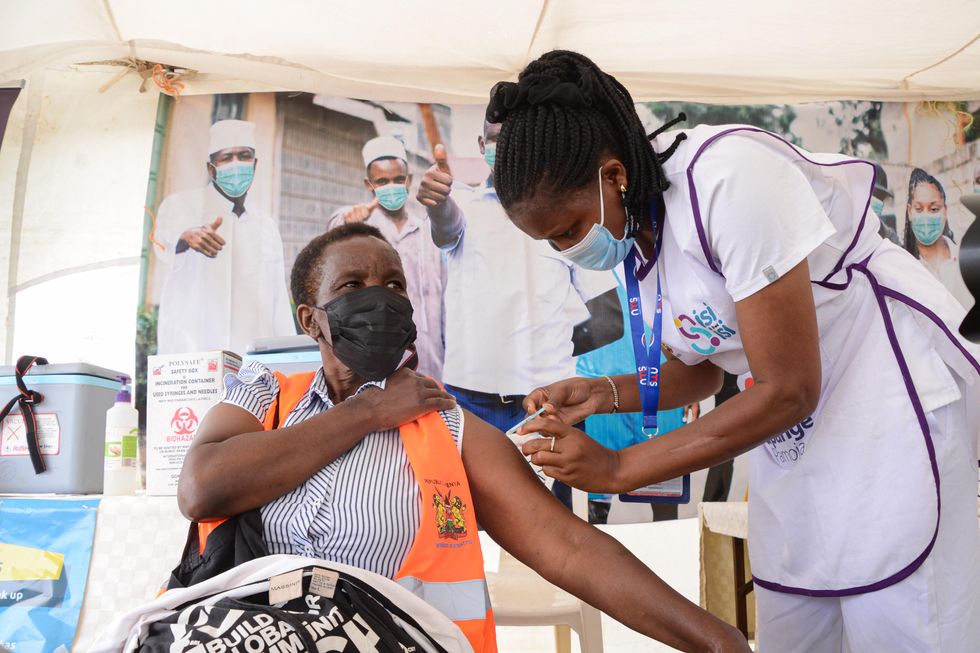
Baddoo’s Fleri enables migrants to directly pay for their family members’ health insurance in Africa.
Photo: Getty Images
“If your mom [in Africa] If you want to go to the hospital, we will inform you about it. When she gets a visit from her at her home, we send her a report about what the nurse or doctor heard when they talked to her,” Baddoo says. “It is about generating peace of mind so that the immigrant living abroad knows that his loved ones are safe and protected.”
This personable, non-intimidating approach encourages people to proactively seek care, Baddoo says. He imagines that her grandmother chose not to seek hospital care due to the complicated process of getting a referral and scheduling an appointment just to “wait for the doctor.”
By working directly with healthcare providers such as clinics and hospitals, Fleri takes on the logistics of this. Today, the Fleri health platform allows immigrants to buy health insurance for friends or relatives in Ghana, Nigeria, Zambia or Zimbabwe. The company also offers a prescription service where people can pay directly for the medicines their loved ones need.
In less than two years, the company has raised $650,000 in funding from venture capital firms and angel investors. But his work is just beginning, and it hasn’t been without its setbacks.
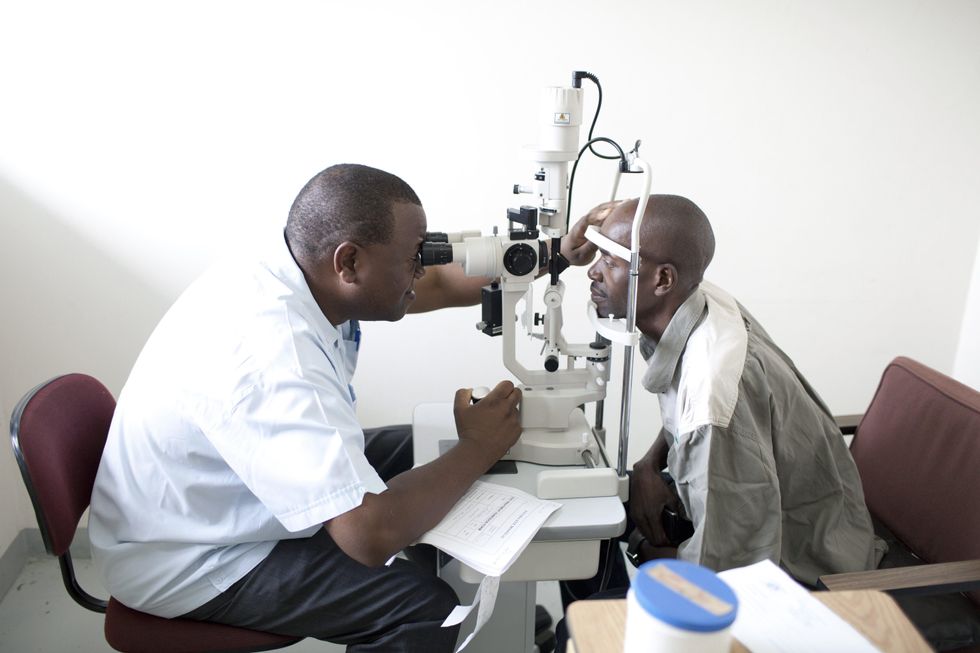
Fleri helps address some of the challenges of providing healthcare in Africa by working directly with providers such as clinics and hospitals.
Photo: Getty Images
Baddoo says that it has been difficult at times to partner with health insurance providers in Africa and sell them on this new concept. Additionally, Fleri’s ability to serve people on the mainland is limited by company partnerships, which means that only people in major cities are eligible for the prescription drug program. A partnership with a Nigerian company is in the works that would expand eligibility to more remote areas.
Also, Baddoo says convincing Fleri’s target customers can be challenging. “Immigrants are very, very skeptical of digital services. It took a lot of getting used to [online] money transfer platforms,” he says. To address this, the company is developing partnerships with remittance companies.
Until then, their focus has been manual: attending events and churches where they can present to their target customers.
In the beta program, Fleri has helped 150 African diasporas buy health insurance for 350 people in Ghana and Nigeria. The company’s next commitment is to go fully digital with its offering and open it up to the 16,000 people on its waiting list, including immigrants of Zambian and Zimbabwean origin.
In the coming years, Fleri hopes to scale across the continent, and the potential for impact is immense, Baddoo says. “For the beneficiary, some have access to preventative care for the first time,” he says. “The vast majority of people only go to the hospital when they are dying. This is going to change what long-term health outcomes look like for immigrant families.”


