


Drought, supply chain tightness and the rising cost of doing business led to a tough 2022 for American farmers, but 2023 could be even worse, a fourth-generation dairy farmer said.
“I definitely think we have a food security threat,” Stephanie Nash, a Tennessee farmer and agriculture advocate, told Fox News. “I think 2023 is going to be tough. Worse than this year.”
Food prices have been outpacing headline inflation in 2022 as November food prices showed a 10.6% increase compared to last year while headline inflation reached 7.1%, according to the Bureau of Labor Statistics.

WATCH MORE FOX NEWS DIGITAL ORIGINALS HERE
Several factors have contributed to rising food prices, including fertilizer and fuel shortages, extreme weather conditions and rising interest rates in an industry that relies on debt financing, Nash said.
“2022 was a really difficult year,” said the 29-year-old. “I think there’s going to be a lot of shortages next year for sure.”
“We are going to have a shortage in the supply chain, we are going to have an increase in our supply of food [prices] at the grocery store,” he added. “I don’t think it’s going to go down anytime soon, and I think it’s going to really hurt the wallet for Americans.“
Most US farmers take out short-term variable-rate loans each year to pay for everything from seeds and fertilizer to livestock and machinery, according to the Department of Agriculture. As a result, the Federal Reserve’s aggressive interest rate hikes from 0% to 4.25% have raised the cost of farm operations.
DAIRY FARMER WARNS THIS COULD BE THE END OF FAMILY FARMS: LOOK HERE
CLIMATE CHANGE PROPOSALS PUT US FOOD SUPPLY AT RISK, SAYS DAIRY FARMER
“You have families of farmers and ranchers who can’t pay their bills,” Nash said. “You talk about loans, that’s a big problem.”
“Food costs are going up, the overall production of our operation is going up,” he added. “We have to be able to get paid more to do that.”
Total interest spending from the farm sector is forecast to reach nearly $26.5 billion this year, up nearly 32% from last year, according to USDA data. With rising costs for fertilizer, fuel and land, farmers must decide whether to cut back on their crops and livestock or hang on as they struggle to pay off bigger loans, according to two dozen farmers and bankers interviewed by Reuters.
“We see products in the grocery store go up, and I think a lot of people don’t understand that,” Nash said. “We are not the ones who push to increase, we are earning less than ever.”
CALIFORNIA DROUGHT DISASTER IS TURNING INTO AN ECONOMIC DISASTER: ‘IT IS UNPRECEDENTED’
One of the worst droughts the country has seen in decades is also helping drive food inflation. As of Tuesday, 53.2% of the contiguous 48 states are in drought, according to the US Drought Monitor.
“I think it’s a huge threat to the United States: weather, drought and water,” Nash told Fox News. “We’re not really starting any new programs to help farmers with the devastation across America.”
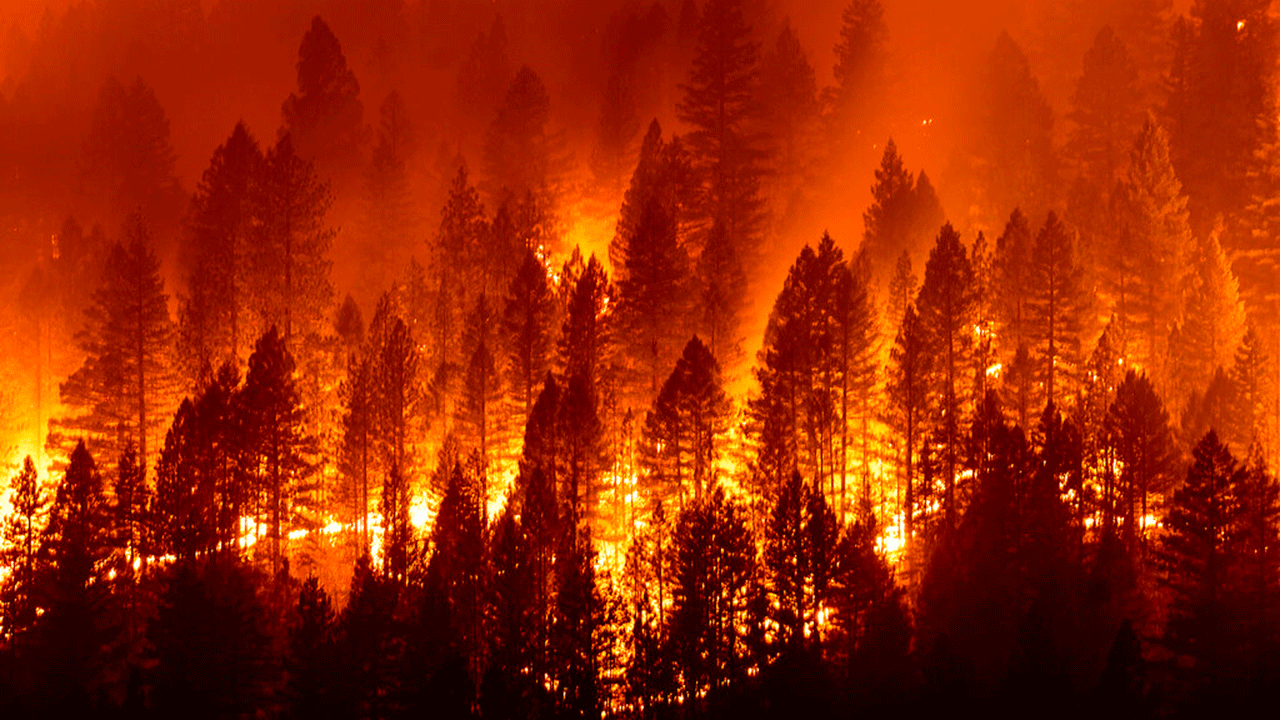
Severe drought and wildfires have caused farmers across the country to reduce crops and reduce livestock sizes.
((AP Photo/Noah Berger))
“There are a lot of great programs that try to help farmers when they get sick or maybe a family member dies, but the government doesn’t really capitalize on the devastation,” he added.
Nearly three-quarters of farmers saw reduced crop yields due to drought, according to the 2021 Farm Bureau Federation of America survey of American food producers.
Similarly, two-thirds of ranchers and ranchers reported selling animals, with average herd sizes expected to decline by 36%, the survey showed. The largest herd declines are in Texas (up 50%), New Mexico (43%), and Oregon (41%), showing the wide geographic distribution of distress.
CLICK HERE TO GET THE FOX NEWS APP
“Look at Texas, how big they are in the meat industry,” Nash said. “It’s a really sad situation when farmers have to sell their cattle so aggressively.”
She said independent farmers need additional support to stay afloat.
“We have to be able to get paid more to make it and stay in the family farming and ranching community,” Nash told Fox News.


