


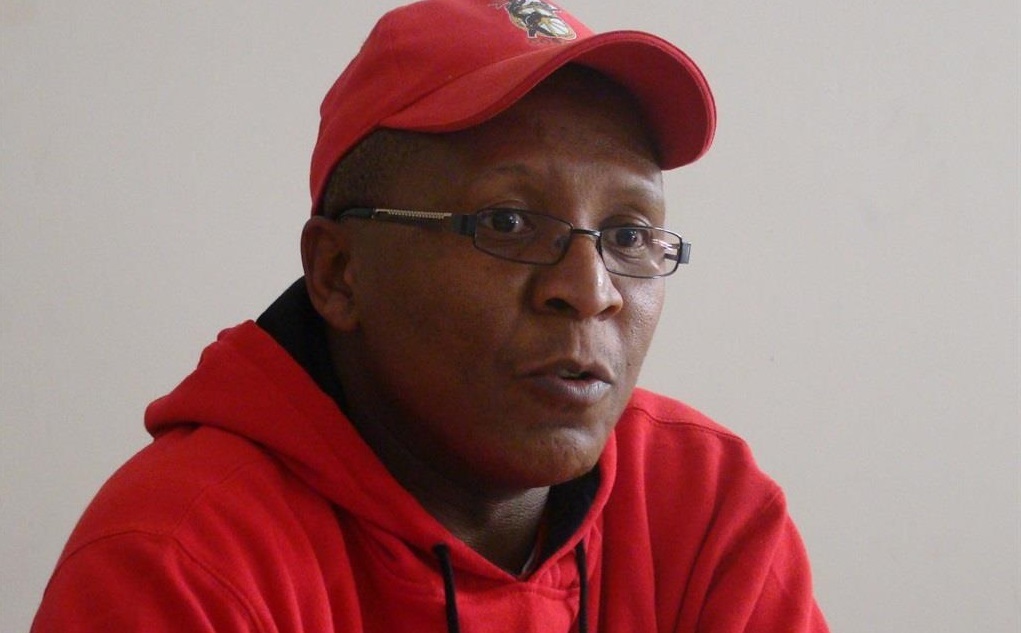
The commissioner of the PSC, Anele Gxoyiya.
- The Public Service Commission (PSC) published its quarterly newsletter on Tuesday.
- The bulletin covered the period from July 1 to September 30 of this year.
- The PSC highlighted that delinquency and non-payment of providers by departments has been a constant problem.
The failure to pay bills on time by various departments seriously affects small, medium and micro-enterprises (MSMEs) to the extent that it threatens their very survival.
As of June 1 of this year, unpaid bills skyrocketed from 959 to 3,454 at the end of September.
This is according to the Public Service Commission’s quarterly newsletter which covers the period from June 1 to September 30.
PSC Commissioner Anele Gxoyiya launched the bulletin in Pretoria on Tuesday.
He said some small businesses are struggling to meet their financial obligations as most lack financial reserves.
“This results in some of them closing down and others being blacklisted, which in turn creates difficulties in securing future assistance from financial institutions,” he said.
READ | Illegal instructions from political figures hinder the provision of services and good governance – PSC
He stressed that the “delinquency and lack of payment of providers by the departments has been a permanent problem in the public service, which is indicative of the lack of compliance [with] the regulations”.
Gxoyiya said the health and tourism departments contributed the most to the number of unpaid invoices, with 2,929 and 468, respectively.
He accused the Department of Agriculture, Agrarian Reform and Rural Development of being repeat offenders for late submission during the first quarter.
“It is even more puzzling that the Department of Agriculture, Agrarian Reform and Rural Development and the Department of Health submitted late reports for the entire second quarter of the 2022/23 fiscal year.”
He added that the late presentation of the exception reports by the departments demonstrates a lack of knowledge of their legal obligations. He said he also showed “little interest” in the plight of small businesses and their struggles.
READ | Eskom wants R6,000 from each house after cutting power to 1,800 Fine Town properties due to ‘fraud’
Turning to the provinces, the bulletin did not show significant improvements in invoice defaults at the end of September 2022.
“The total number of unpaid invoices decreased from 29,236 in July 2022 to 27,068 at the end of September 2022, representing a decrease of 7.4%. The Eastern Cape, Gauteng and North Western provinces were the main contributors to [the] non-payment of suppliers to [the] end of the second quarter of [the] Financial year 2022/23.
added:
Of great concern is Limpopo province, which submitted reports to the Treasury late for the first quarter (two months) and also for the second quarter (all three months).
“In October 2022, the PSC held a meeting with the Public Service and Administration Portfolio Committee, during which the non-payment of providers was reported. The PSC presented various reasons for the delinquency and non-payment of invoices that include systematic challenges. , the lack of a computer system to track invoices, the lack of financial delegations, and unregistered invoices, among others”.
Another concern was poor financial planning by government departments, particularly the lack of alignment between budget and procurement plans.
“Poorly drafted contracts also prevailed where some of the clauses had different interpretations, which indicates [the] Inadequate capacity in contract management.
“The PSC recommended that Parliament help hold departments, especially accountants, accountable for failing to meet their legal obligations under Section 38(1) of the PFMA [Public Finance Management Act.]”


