


Climate change is happening; It is no longer an argument, it is a fact. There was some progress at the recent COP27 held in Egypt, the Conference of the Parties to the 2022 United Nations Framework Convention on Climate Change, but unfortunately it was not enough. All of us, from governments to the private sector and individuals, need to start thinking about adapting to climate change, in everything we do, and change our actions accordingly.
This came up in a webinar discussion, on advancing climate resilience and shifting from fossil fuel-based energy to cleaner energy, hosted by the mail and guardian. The winners of green the future they were also announced later in the webinar.
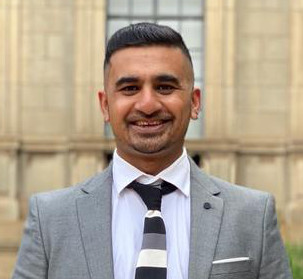
Ozayr Patel, the mail and guardian‘s Climate and Environment editor, kicked off the discussion by asking Catherine Constantinides, founder of the global youth network Generation Earth, and Professor Mark New, director of the African Climate and Development Initiative at the City University of Corporal, about your impressions of Cop27. .
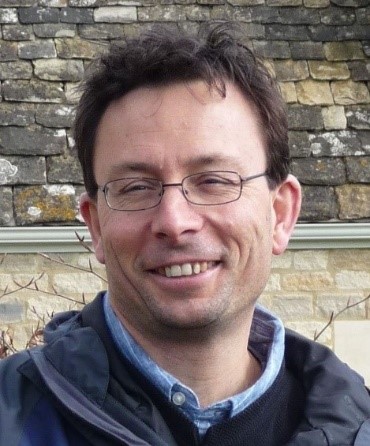
The conference was not a complete failure, New said, but it fell short of what it could have in terms of raising ambition to reduce emissions. There has been some progress on “loss and damage” (the impact of climate change, particularly in developing countries), but if developed countries are not prepared to reduce their emissions, loss and damage will remain significant.
Economic loss and damage may include damage to crops, homes, or infrastructure. Non-economic loss and damage may include damage to human health and mobility; loss of access to territory, cultural heritage and indigenous and local knowledge; and loss and damage to biodiversity and habitats.
New added that real change requires everyone to participate, not just governments. Constantinides agreed: “It’s the little things we can do as consumers that are crucially important: where we shop, what we buy, etc. Our daily choices have an impact.” He added that there needs to be a “massive push” in education for people to start making better decisions about the environment.
Have we really progressed since COP17 was held in Durban in 2011? Constantinides asked. The voice of civil society has definitely grown, and it was very strong at Cop27. She said that for anyone still doubting it, we are definitely in a climate crisis. “I have worked in communities in Africa that no longer exist where they were, because there is no water for them there anymore.”
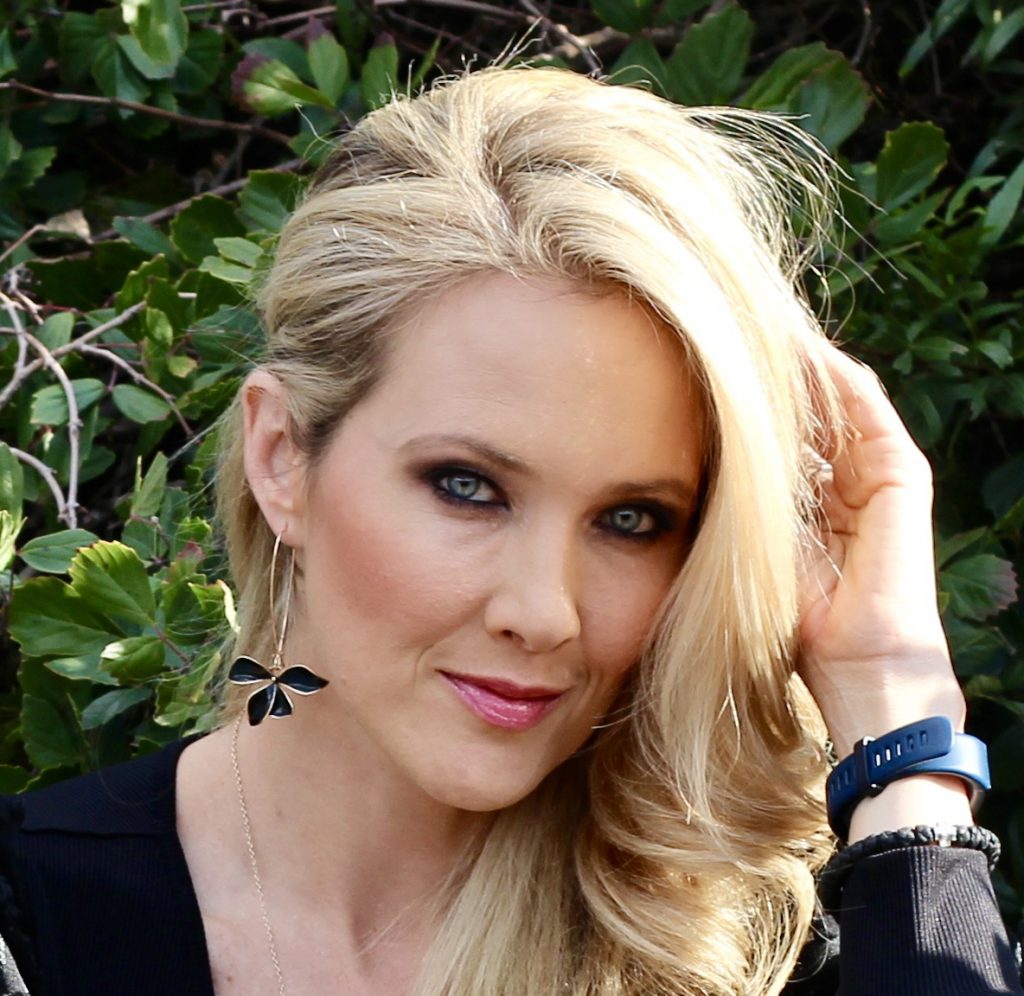
He noted: “It’s amazing how the narrative has changed in my 15 years as an activist. Finally, corporations are starting to get the message about climate change!” He also said that young people must make climate change “the basis of everything they do and think.”
New said that the sixth edition of the Intergovernmental Panel on Climate Change, which advances scientific knowledge on climate change caused by human activities, has just been published under the auspices of the UN. He said that the discussion about whether the climate is changing is over; “We have ample evidence that the climate is changing, not just in the future but right now, and we are beginning to feel its impact.”
Asked what “climate resilience” entails, New said it involves adapting as much as possible to reduce your vulnerability; it is the ability to recover from climate shocks as quickly as possible. The impact of the 2021 and 2022 KwaZulu-Natal floods could have been much less had there been better responses, for example. “The most vulnerable people [to climate change] they are often the poorest people, and in a resilient society they are not left behind,” New said. Constantinides agreed, saying many lessons can be learned from flooding and that inequality plays a huge role in climate resilience.
Patel asked, in the South African context, if it is a difficult balancing act to move from coal to green energy, as many people currently rely on coal for their employment. New responded: “I think part of the narrative about moving away from livelihood-threatening coal is created by those with vested interests in those industries. Much research has shown that green energy creates jobs, so the real issue is how [just] the transition is managed, both from a social and economic perspective”.
Sometimes we have to jump to the bottom and learn to swim from there, Constantinides said. There are many opportunities to create jobs in the green economy. We need to invest in renewable energy for a sustainable future, but unfortunately, most people will only change course “when climate change starts hitting them in the pocket.” Waste management is one of the many ways we can manage climate change, and it is also a means of generating renewable energy.
She said that our biggest crisis in South Africa is our scarcity of water. As many people still do not understand the impact of climate change, for example with regard to food security, the most important imperative right now is education. In this sense, the media have a very important role to play; posts like green the future remind us that we are experiencing a climate crisis.
South Africa has an adaptation deficit, New said; it is very poorly adapted to current climate risks. It’s always been a drought-prone country, but “coupled with poor service delivery, this means we’re really vulnerable to climate change.” So we need to fix the country in a general sense, particularly structurally, to increase capacity and facilitate our adaptation.
“Second, we have to embed climate change adaptation into everything we do, which is what I call integration. Millions cannot be invested in a project that will only last 20 years due to climate change.” For example, you can’t mine coal if you need a lot of water to run that operation, and that water won’t be available in the future due to climate change. “This is about incorporating climate change principles into our strategic decision-making. This has to happen in both the public and private sectors,” New said. —Derek Davey
Watch the webinar here:


