


Governments may need to reserve medicines and vaccines for the World Health Organization to distribute to the poorest countries to prevent a repeat of “catastrophic failure” during the COVID-19 pandemic, according to a preliminary draft of an agreement world against the pandemic.
One of the more concrete proposals in the draft agreement reviewed by Reuters on Wednesday includes a measure to reserve 20% of any test, vaccine or treatment developed for use in poorer countries.
The draft also appears poised to continue a long-standing argument by calling for the relinquishment of intellectual property rights during pandemics, which advocates say would allow broader access to life-saving drugs and vaccines more quickly.
WHO IS LOOKING TO EXPAND THEIR ROLE IN THE NEXT GLOBAL HEALTH EMERGENCY, BUT FACES FUNDING PROBLEMS
The pharmaceutical industry is against the measure.
The draft also retains previous provisions that could cause pharmaceutical companies to disclose details of any public contracts for vaccines and treatments during such global health emergencies.
The deal, which is commonly known as the pandemic treaty, has been drafted by WHO member states and will now go through a lengthy negotiation process before being finalized.
Talks on the draft treaty will begin on February 27 and continue until 2024. Member states have agreed that the treaty will be legally binding on those who sign it, but it is not yet clear how it will be enforced.
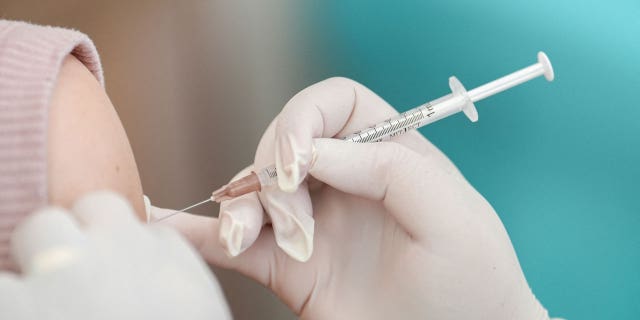
The World Health Organization (WHO) has drafted a new pandemic response plan following its self-reported “failure” to adequately address COVID-19.
(REUTERS/Athit Perawongmetha/File Photo)
The draft was delivered to member states and non-governmental organizations (NGOs) on Wednesday. It contains a series of measures to ensure that the global response to the next pandemic is not only stronger, but also more equitable.
“This is a once-in-a-generation opportunity to make a paradigm shift in protecting and improving the health of the world’s people,” WHO spokeswoman Fadela Chaib said of the deal.
The draft begins by saying that it is being drafted “in recognition of the international community’s catastrophic failure to show solidarity and equity in response to the coronavirus disease (COVID-19) pandemic.”
However, there will be “heat and opposition” in the upcoming negotiations, particularly around intellectual property provisions, said James Love, director of the NGO Knowledge Ecology International.
“The ‘deal’ must build on the strengths of the private sector for innovative R&D, rapid scaling and distribution of manufacturing, which is based on a strong intellectual property system,” said Thomas Cueni, the Federation’s director general. International of Pharmaceutical Manufacturers and Associations.
The draft also calls for a new WHO Global Pandemic Supply Chain and Logistics Network to ensure better and fairer distribution of countermeasures, as well as a global compensation scheme for vaccine injuries.
OMICRON SUBVARIANT XBB.1.5 POSSIBLY MORE LIKELY TO INFECT PEOPLE WHO ARE VACCINATED, OFFICIALS SAY
It also proposes the WHO’s Pathogen Access and Benefit Sharing System, which encourages countries to share pathogens and genomic sequences “within hours.”
Diagnostics, treatments and vaccines developed from the data must be shared fairly, including provision for WHO to get 20% of any production, 10% as a donation and the rest at affordable prices, for use in the developing countries, the document suggests.
The plan aims to prevent countries from sharing data on outbreaks and not having access to countermeasures developed using the data.
CLICK HERE TO GET THE FOX NEWS APP
“The transparency and fairness provisions are impressive,” Love said, “but I think negotiators need to do more work on how to create incentives for governments and others to invest and share technologies.”


