


Alexis Grant found her home away from home in NC State by chance. As she and her roommate were exploring campus early in their freshman year, they discovered the African American Cultural Center (AACC) on the third floor of the Witherspoon Student Center. They immediately felt welcomed by the students, staff, and the vibrant atmosphere of the center. Now a sophomore, Grant spends most of his time at the center, whether it’s studying for his engineering degree, meeting up with old and new friends, or planning events and social media strategies as a student programming intern. .
“If you’re looking for a consistent community and space to go to that pretty much has it all, come to this space,” Grant said.
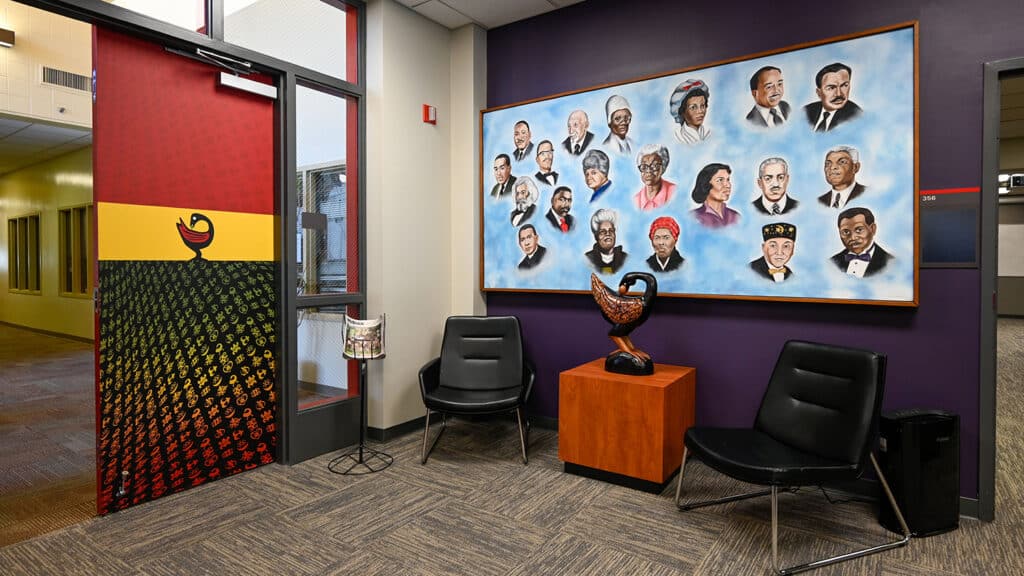
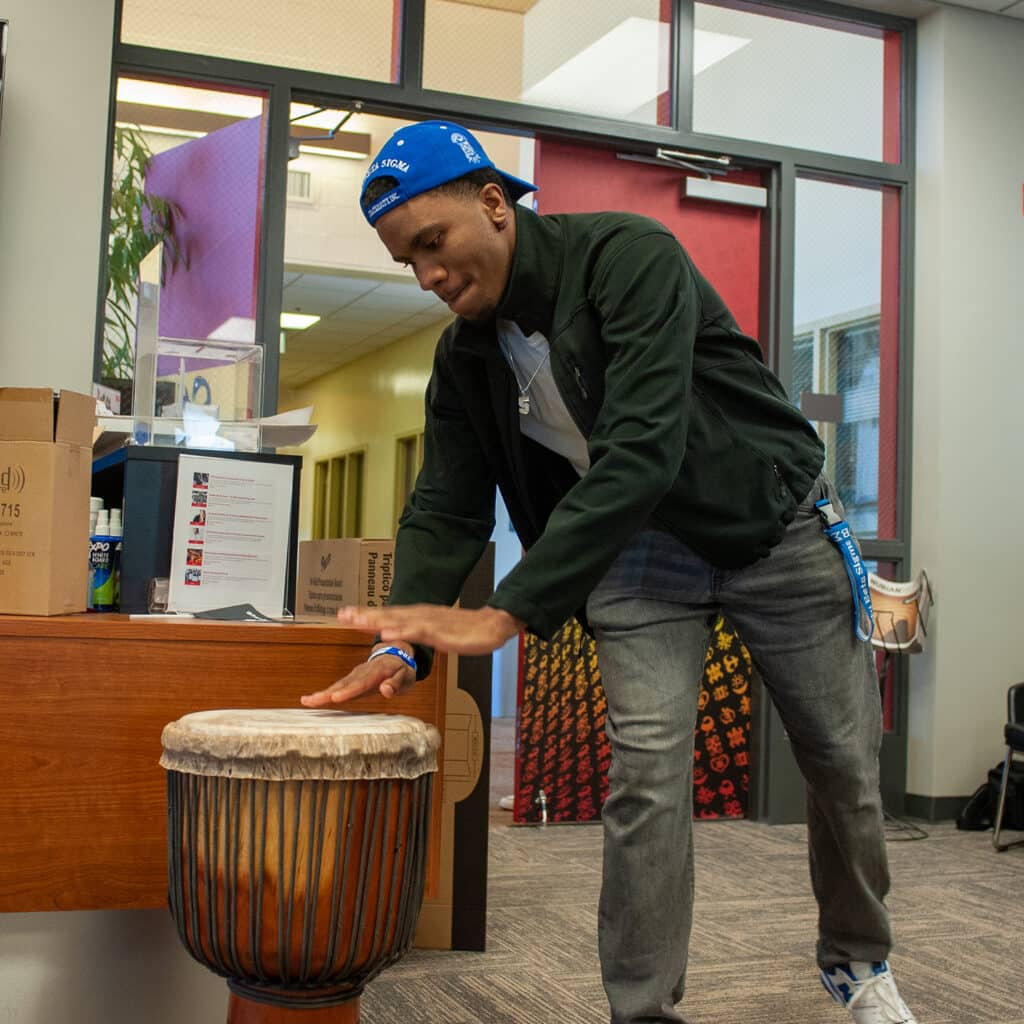
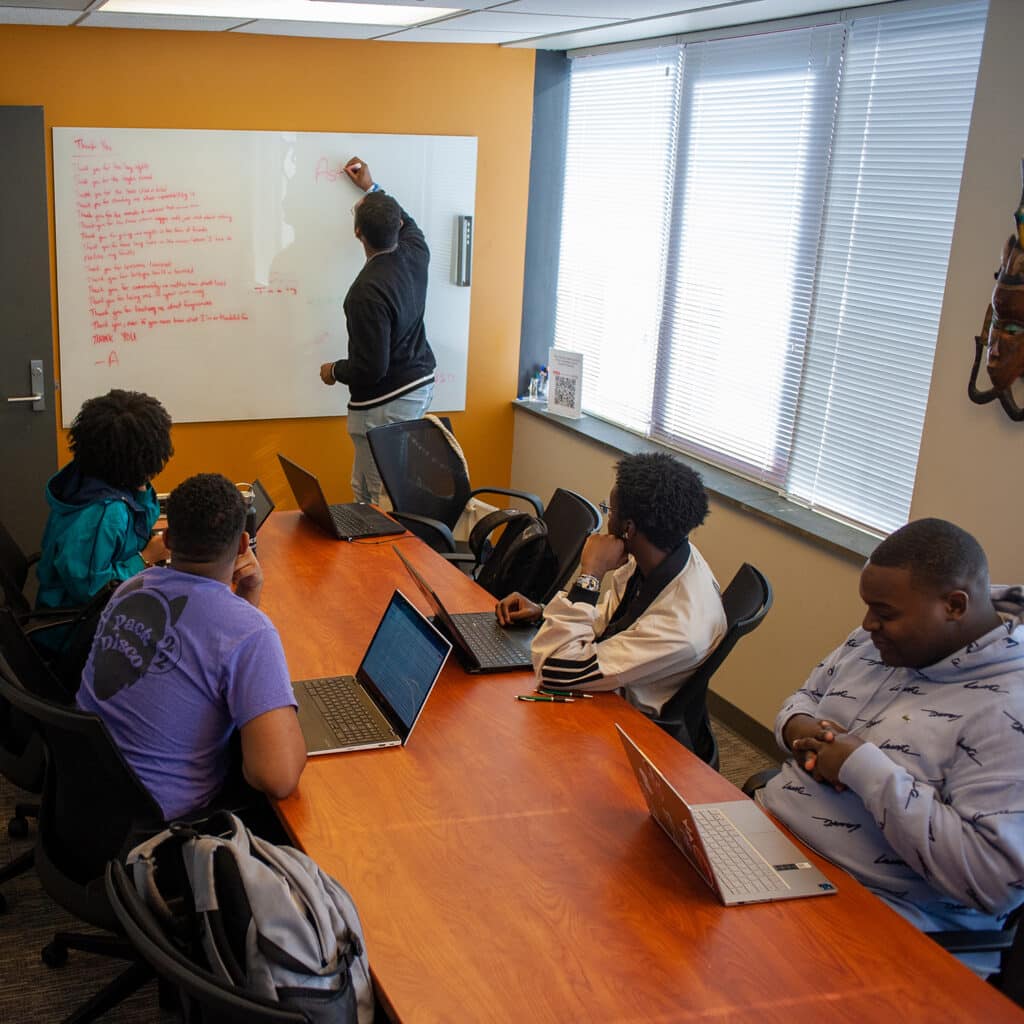
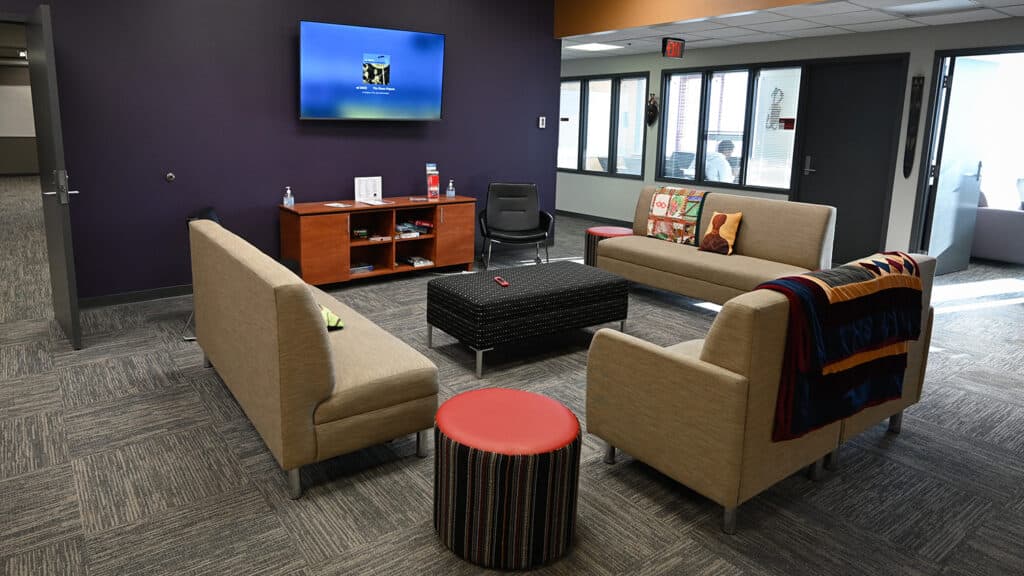
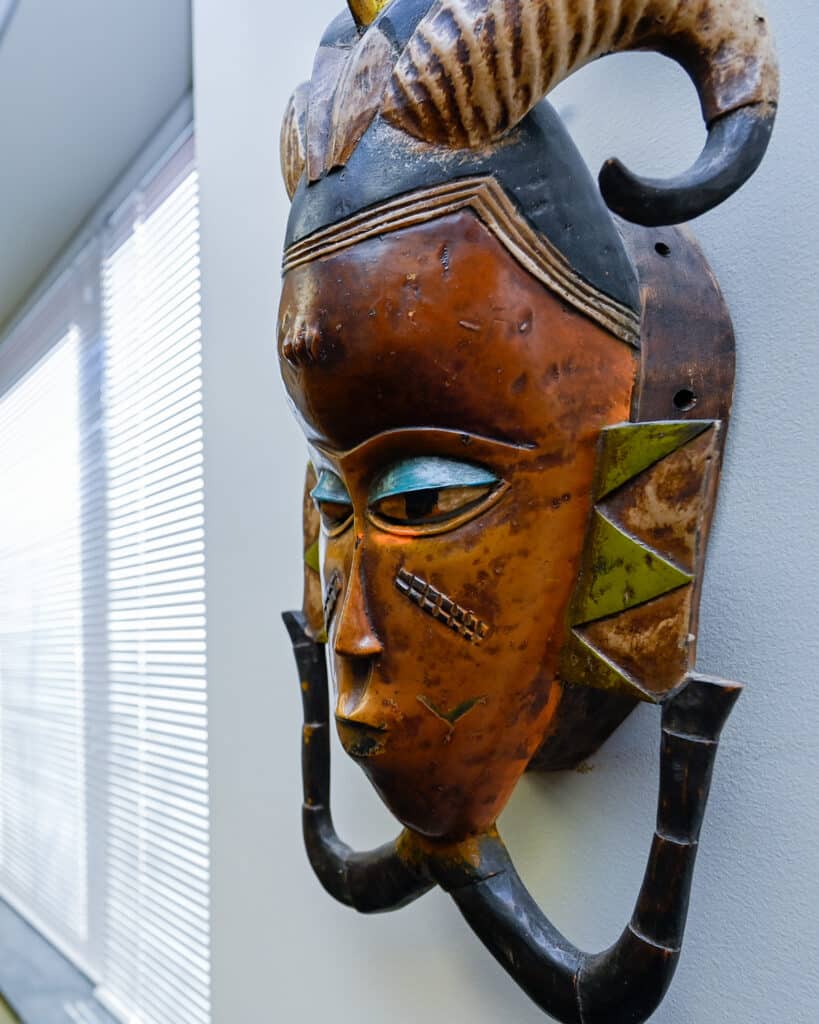
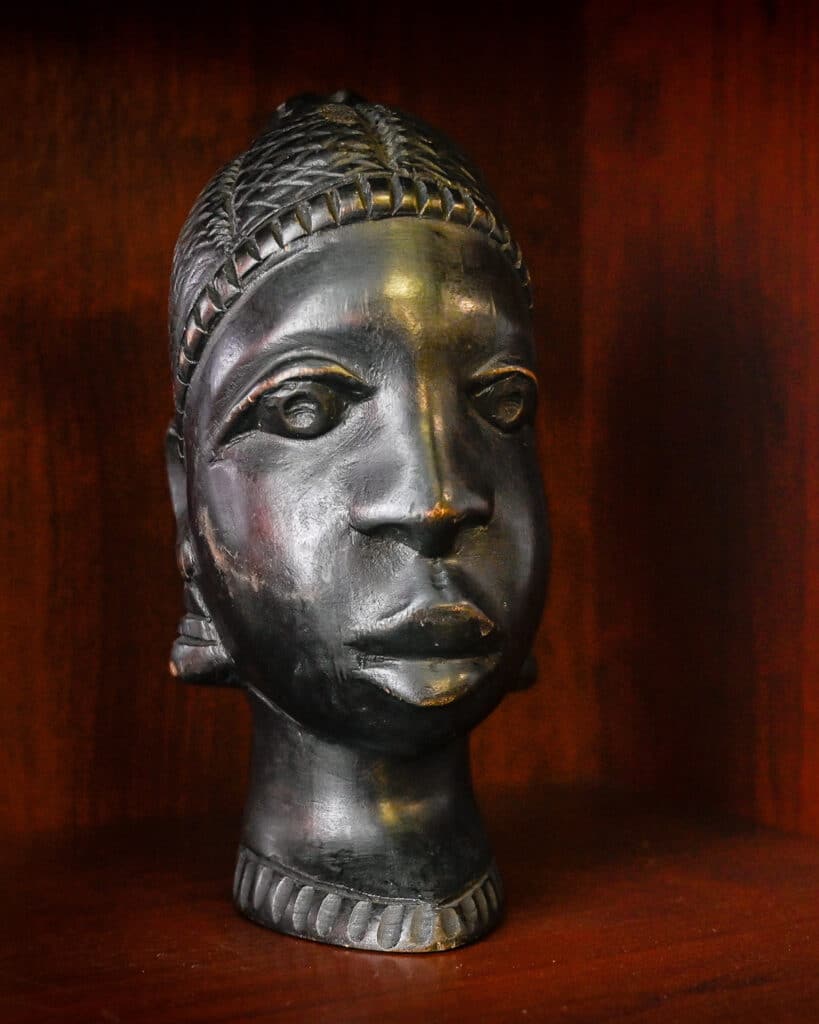
Visitors to the center are immediately greeted by a mural featuring prominent African Americans. Works of art, including masks and sculptures, decorate the walls. Near the doors is a shelf of the black student publication, Nubian Message, and nearby bulletin boards are full of resources on health, wellness, classes and clubs. The main area, called “the living room,” has sofas, a TV, and a stack of board and card games. At the end of the corridor there are rooms used for study or meetings, as well as a kitchen with a fridge and microwave.
“This is your place to hang out, take a nap, have an emotional outburst, get a hug, have a snack,” said Korie Roane, a master’s student in social work and graduate intern at AACC. “The space is there for you, especially if you identify as black. We are here for you.”
‘As natural as breathing’
One of four campus community centers within NC State’s Office of Institutional Equity and Diversity, the AACC affirms the Black experience and promotes understanding throughout the university community. Through events, activities, talks, and workshops, the center fosters cultural, intellectual, and social growth.
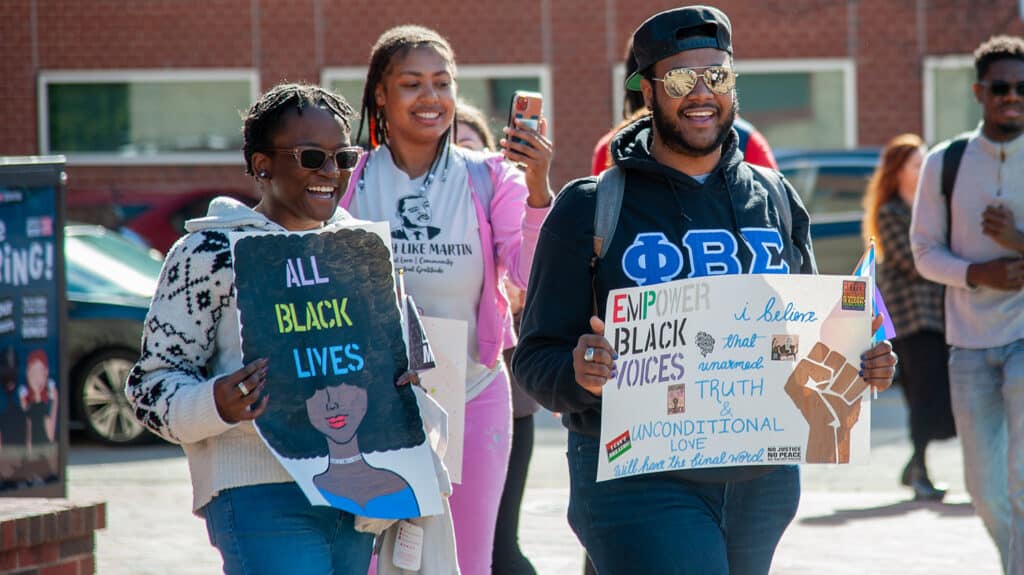
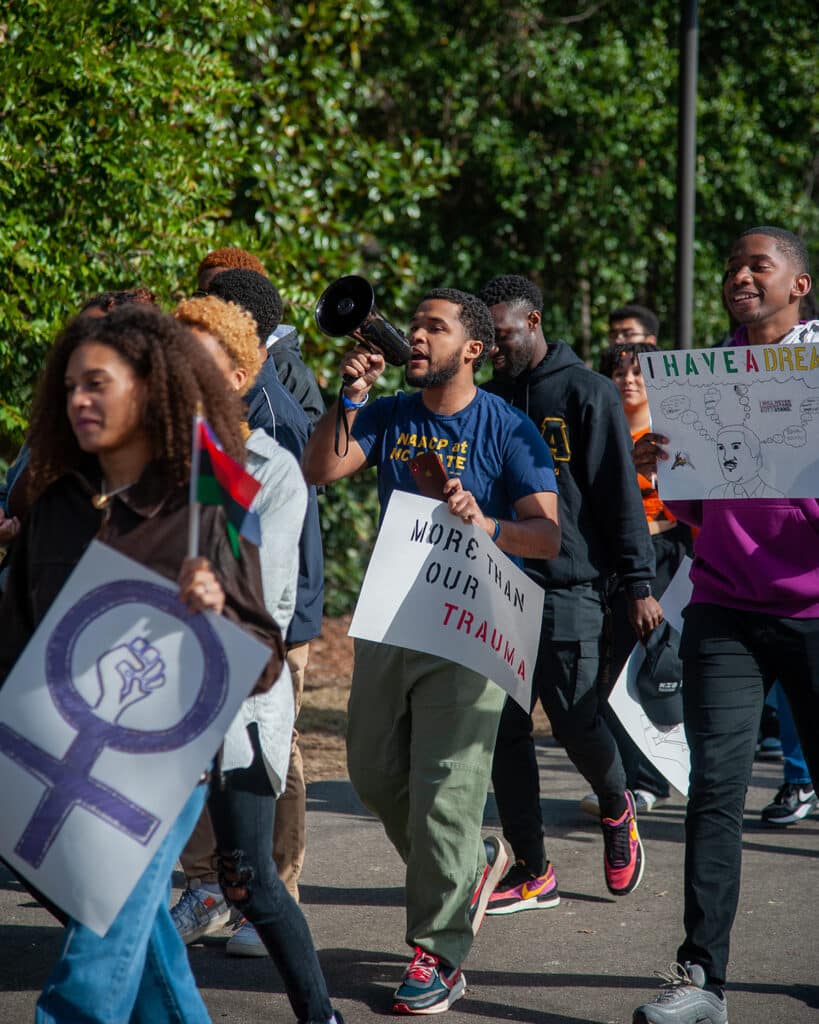
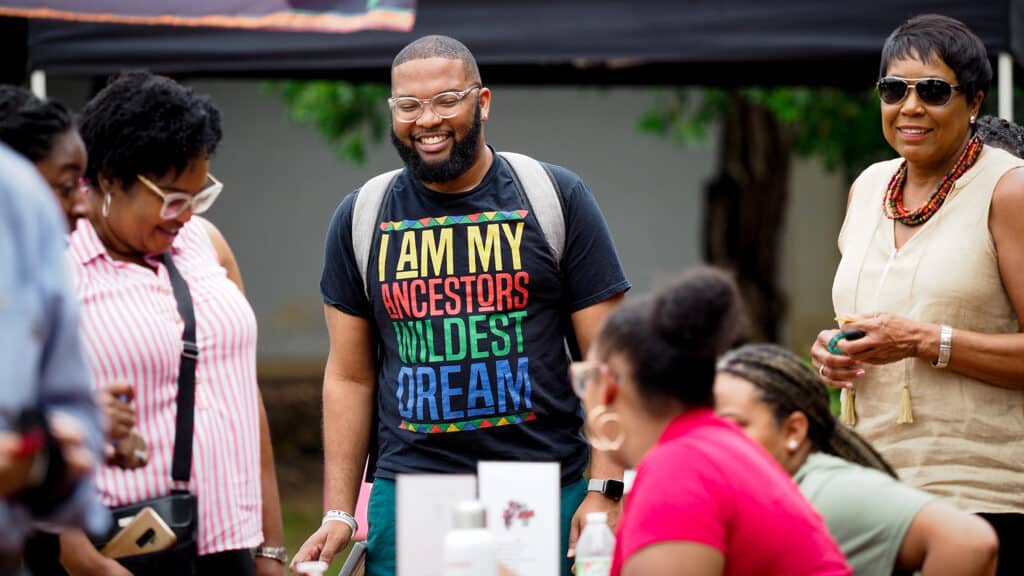
Annual celebrations include Harambee!, a block party in the fall; a week-long Kwanzaa event; and the Ebony Harlem Awards, which honor the achievements of students and student organizations. The hub engages students regularly during a series of weekly conversations, called What’s on the Table? Every day, the center aims to meet community members where they are and honor their holistic selves.
Participation in the African American Cultural Center can also be part of personal care. As an intern at the center, Roane advocates for the mental health of community members. She develops programs that focus on student well-being: She created a wall of affirmation for students outside Witherspoon and hosted an open mic night on self-determination during the downtown Kwanzaa celebration.
“There’s kind of a stigma that black people can’t be sad or depressed, or that they can’t have mental health issues or concerns,” Roane said. “As a black woman, I’ve had the experience of being told that I don’t know what stress is and that I should be grateful instead of sad about things.”
“Therapy and self-care aren’t just for when you’re in crisis,” Roane continued. “It should be all the time, so that when you have a crisis, you have the tools to ease it.
Black therapists at the Counseling Center attend What’s on the Table? Their presence means that students can speak with mental health professionals who understand their challenges and successes. It’s part of making sure every student feels like they have a place they belong on campus.
“Come as you are, and it should be as natural as breathing,” said Andaiye Qaasim, deputy director of the center. “That’s really what it feels like when you have the experience of being centered, being the majority, and having things geared toward your own growth and development.”
Search for cultural knowledge
The center is also a place for academic engagement and intellectual exploration. In addition to its repertoire of educational workshops and lectures, the AACC is hosting the inaugural Symposium on African American Research March 23-25. The symposium will highlight research, storytelling, discussion circles, community initiatives, and other projects coming from NC State-based scholarship in the black diaspora.
A hidden gem of the center is its library, located on the second floor of the Witherspoon Student Center. Readers can find 7,000 books, many of which were written by black authors. There are fiction, nonfiction, adult, youth, and children’s books, all representative of African American culture and the Black Diaspora.
“We work together with Third Floor to engage students and engage in the community,” said Brionna Johnson, the center’s interim library coordinator. “If you ever have questions or want to learn more about your culture or other cultures, you can definitely find those things in the library.”

People can study, watch movies and read. There is also a meditation room, available for anyone who needs a quiet space. Next to the library is an art gallery, which often displays the work of local artists. Johnson hopes to include more student work in the gallery, elevating students from observers to active participants. These areas help students deepen their personal and cultural understanding.
“Come present yourself as who you are, whether you want to sit and watch TV, play some music, read a book, study,” Johnson said. “Be authentically you and do what you have to do.”
Fostering community and belonging
Since AACC’s inception in the 1970s, it has been home to generations of black students looking for a community and a space to feel part of. More than 30 years later, the center continues to ensure that Wolfpack members thrive.
“When people come into this space, it’s very comforting,” Qaasim said. “It’s a space where you can say, ‘Oh, I can go in as I am, no matter what’s going on with me: good day, bad day, angry, happy, excited, tired. I can come in and I can be affirmed and supported.’”
The center helps connect students, faculty, staff, and organizations as a hub for the black community on campus. Black students make up about 6% of the 38,000 students enrolled at NC State, a predominantly white (PWI) institution. AACC offers a safe space for students to share their experiences and build community both inside and outside its walls.
“There is a level of camaraderie and togetherness in the black community, being in a PWI,” Grant said. “Our community is big enough that sometimes I forget I’m going to a PWI. I work, study, have fun, everything in the AACC”.


